Reusable Canvas Tote vs RPET – How to Choose the Best Eco Tote for Your Brand

Sooner Service For You 7*24 Hours

All Categories

Reusable Canvas Tote vs. RPET – Which Eco‑Friendly Tote Is Right for Your Brand?

Reusable canvas totes have long been a favorite for their natural look and sturdy feel. But is canvas the most sustainable, practical, or cost‑effective choice for your promotional or retail program? In this guide, we compare traditional cotton canvas totes with modern RPET (recycled plastic) totes across durability, weight, water resistance, environmental impact, and customization options. With over 18 years of experience manufacturing both styles, we help you make an informed decision. Whether you choose canvas for its organic aesthetic or RPET for its lightweight, moisture‑resistant, and circular economy benefits, we deliver high‑quality custom totes that align with your brand values.
Get A Quote

Why Your Choice of Reusable Tote Material Matters More Than You Think

Canvas totes evoke a classic, artisanal feel that many brands love. However, cotton production is water‑intensive, and canvas bags are heavy, slow to dry, and prone to mildew. RPET totes, made from recycled plastic bottles, offer comparable durability at half the weight, with inherent water resistance and a stronger circular economy story. Neither is universally “better” – the right choice depends on your brand image, budget, shipping costs, and sustainability goals. We manufacture both and can guide you to the optimal material for your specific program.

Deep Experience with Both Materials

We have produced millions of canvas totes and RPET totes over 18 years. We know the quirks of each: how canvas softens with washing, how RPET handles high‑speed gravure printing, which thread and handle reinforcements work best. This expertise ensures your totes, regardless of material, are well‑constructed and reliable.

Honest, Data‑Driven Material Comparisons

We do not push one material over the other. We provide clear, factual comparisons of weight, durability, water resistance, cost, and environmental footprint. You receive the information needed to decide based on your priorities.

Customization Options for Both Materials

Whether you choose canvas or RPET, you get the same high level of customization: digital or gravure printing, multiple handle styles (self‑fabric, webbing, jacquard), various finishes (natural, dyed, laminated), and added features like pockets, zippers, or bottom inserts.

Sustainability That Matches Your Message

If your brand narrative focuses on natural, biodegradable fibers, canvas aligns well. If your narrative emphasizes plastic waste reduction and circular economy, RPET is a powerful choice. We help you tell your story authentically.

Custom Reusable Totes – Available in Natural Canvas or Recycled RPET

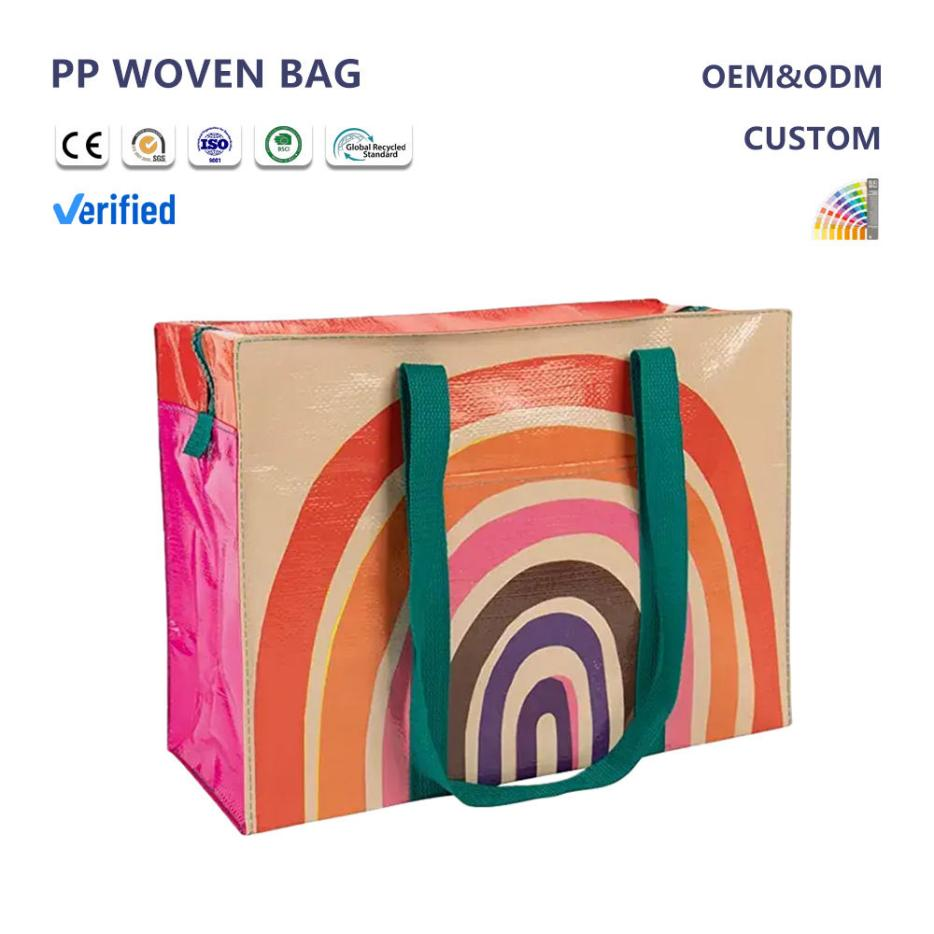
We offer custom reusable totes in two primary materials: Canvas Tote: 100% natural cotton, 240‑340 GSM (heavyweight, structured). Available in natural undyed or custom dyed colors. Handles in self‑fabric or cotton webbing. Screen printing recommended for logos. RPET Tote: Made from recycled plastic bottles, 80‑140 GSM (lightweight, soft). Available in any color, with gloss/matte/metallic finishes. Digital or gravure printing for full‑color, photo‑quality graphics. Both styles come in standard sizes (e.g., 40cm x 35cm, 45cm x 35cm x 15cm gusset) or custom dimensions. Handles can be self‑fabric, PP/cotton webbing, or jacquard woven. Optional features: bottom insert, interior pocket, zipper closure, or foldable pouch. Minimum orders: no minimum for digital‑printed RPET; canvas typically requires 500+ pieces for custom dyeing and screen printing. 100% inspection on all bags.

Reusable Canvas Tote or RPET Tote – How to Choose the Best Eco‑Friendly Bag for Your Program

You want a reusable tote that reflects your brand’s commitment to sustainability. Yet with so many materials being marketed as “eco‑friendly,” selecting the best option can be challenging. Two of the most trusted choices today are traditional cotton canvas and modern RPET (recycled polyester). Both represent meaningful steps beyond single‑use plastics, but they differ significantly in performance, cost, and environmental impact.

Canvas totes are made from natural cotton, a renewable fiber known for its durability and classic texture. They feel substantial and signal quality craftsmanship, which appeals to audiences drawn to organic, artisanal aesthetics. As a natural material, canvas is biodegradable, holds ink well for screen printing, and softens over time for a comfortable hand feel. However, canvas bags tend to be heavier, increasing freight costs and making them less convenient to carry. They also absorb moisture easily, which can lead to mildew, and their production demands enormous amounts of water — up to 2,700 litres per t‑shirt equivalent. Cotton fabric can shrink or wrinkle, and complex full‑color printing is difficult, limiting creative options for brand artwork.

RPET, on the other hand, offers a modern circular solution. Produced from recycled plastic bottles that are cleaned, shredded, melted, and spun into new fibers, this material embodies innovation and sustainability. RPET bags are lightweight yet strong, reducing shipping costs by up to half compared with canvas. They resist moisture, dry quickly, and maintain their structure even after repeated use. The surface allows for vibrant, photographic-quality prints using digital or gravure methods, making them ideal for complex brand graphics. Beyond functionality, RPET carries a powerful environmental message: it diverts plastic waste from landfills and oceans, consumes less energy and water than virgin polyester, and remains recyclable at the end of its life.

When comparing both materials in real‑world use, canvas feels natural and tactile but is heavier, water‑absorbent, and more expensive to ship. RPET is lighter, water‑resistant, and ideal for colorful designs, especially when digital printing is desired. Canvas typically requires higher minimum orders, while RPET offers flexibility with no minimums when using digital production. In large orders, their per‑unit costs are comparable, but RPET usually edges slightly lower due to less material waste. Each has its own environmental story: canvas promotes biodegradability, while RPET champions plastic waste reduction and circular economy principles.

Canvas bags make sense for brands that want a heritage or craft-driven image. They suit programs emphasizing natural fibers, simple one‑color logos, and structured shapes that stand upright. The ideal user values traditional materials and accepts higher costs as part of that authenticity. Conversely, RPET bags are perfect when lightweight convenience, vivid design, and waste‑reduction messaging matter. They align with programs seeking modern, colorful, and scalable promotional solutions, particularly for grocery, retail, travel, or outdoor events.

Printing methods also differ substantially. Canvas performs best with screen printing — an excellent approach for bold, limited-color logos that require durability. RPET works beautifully with digital or gravure printing, enabling gradient hues, detailed photographs, and vibrant full‑color layouts. For brands with intricate designs or multiple color layers, RPET is the superior canvas for creativity.

At Wenzhou Shuyou Packaging, both canvas and RPET production lines operate under the same roof to provide flexible, eco-conscious solutions. Our 6,000 m² facility houses automated cutting systems, more than eighty sewing stations, and strict inspection protocols. We use premium cotton for traditional totes and certified recycled RPET for modern sustainable designs. Custom dyeing, digital prints, gravure printing, and mock‑up sampling ensure every client’s vision is met before full production.

With more than eighteen years of manufacturing experience, our team understands that sustainable packaging is never one‑size‑fits‑all. We help each client assess aesthetic goals, budget limits, and environmental targets. Whether you choose the natural charm of canvas or the modern innovation of RPET, our mission remains the same: to support your brand’s sustainable journey with expert craftsmanship and responsive service. We can even create a sample set — one canvas and one RPET tote — so you can experience the difference firsthand. Choosing the right eco‑friendly bag is about more than materials; it’s about expressing your values through smarter design, durable quality, and genuine care for the planet.

Frequently Asked Questions About Reusable Canvas vs. RPET Totes

Is canvas really more eco‑friendly than RPET?

It depends on your metrics. Canvas is natural and biodegradable, but cotton farming uses vast amounts of water, pesticides, and land. A canvas tote may need to be used over 100 times to offset its production footprint. RPET uses recycled plastic, saving bottles from landfills, and requires less energy and water than virgin polyester. Neither is perfect; the most sustainable bag is the one that is used most often. Our advice: choose the bag that customers will actually carry repeatedly.
RPET is superior for detailed, multi‑color, or photographic designs. Digital printing on RPET captures fine lines, gradients, and small text with exceptional clarity. Canvas is best for simple, bold logos using screen printing. If your logo has fine details or many colors, choose RPET.
Absolutely. We provide physical mock‑up samples of both canvas and RPET totes with your design printed (or screen‑printed) so you can compare weight, feel, and print quality side‑by‑side. This is the best way to make an informed decision.

Related Articles

non woven raw material: Non Woven Raw Material Price Volatility: Strategies for B2B Packaging Enterprises to Tackle Cost Challenges

10

Apr

non woven raw material: Non Woven Raw Material Price Volatility: Strategies for B2B Packaging Enterprises to Tackle Cost Challenges

Introduction: Facing the Roller Coaster Market – Survival Challenges for Nonwoven Packaging Enterprises The global market for nonwoven raw materials, particularly polypropylene (PP) and polyethylene (PE) based substrates, is undergoing signific...
View More
B2B Accessory Upgrade: How custom strap Defines High-End Brand Details

10

Apr

B2B Accessory Upgrade: How custom strap Defines High-End Brand Details

In today’s fast-paced B2B market, standing out has become increasingly difficult, especially when core products often become indistinguishable from competitors’. The pressure to differentiate your brand is real, and it’s in the subt...
View More
Exhibition Marketing Tool: How pp woven bag suppliers Becomes a Mobile Billboard for B2B Client Attraction?

10

Mar

Exhibition Marketing Tool: How pp woven bag suppliers Becomes a Mobile Billboard for B2B Client Attraction?

Your "Advertising Space" at Trade Shows: Have You Missed It? Every year, B2B businesses invest heavily in attending trade shows, with significant resources directed towards booth designs, product displays, and staff training. These elements are essen...
View More
In-depth Analysis of Functional non woven fabric manufacturer: Material Solutions for Specific B2B Industry Needs

10

Apr

In-depth Analysis of Functional non woven fabric manufacturer: Material Solutions for Specific B2B Industry Needs

The Challenges and Opportunities in B2B Procurement Decisions In today’s rapidly evolving B2B market, the applications of non-woven fabrics are becoming increasingly specialized. From high-end medical protection gear to sustainable packaging so...
View More

What Our Clients Say About Our Reusable Tote Guidance

— Nathaniel Brooks

“We were about to order 20,000 canvas totes, but our account manager suggested comparing RPET. The weight difference alone saved us over $5,000 in shipping. The RPET bags also printed our detailed logo perfectly. So glad we listened.”

— Clara Johansson

“Our brand is built on natural, organic products. Canvas felt right, and our customers love the classic look. The team at [company] respected our choice and delivered beautiful screen‑printed totes. They didn’t push us toward RPET when it wasn’t a fit.”

— Elena Vasquez

“For our high‑volume grocery bag program, we use RPET – lightweight, waterproof, and cost‑effective. For our limited‑edition artisan collaboration, we use canvas. The same manufacturer handles both with excellent quality. A true one‑stop shop.”

Get a Free Quote

Our representative will contact you soon.
Email
Name
Company Name
Message
0/1000
Unbiased Material Expertise – We Manufacture Both

Unbiased Material Expertise – We Manufacture Both

Many suppliers only offer one material and will push it regardless of your needs. We produce both canvas and RPET totes in‑house, so we can give you an honest, data‑driven comparison. Our goal is to help you succeed, not to sell a specific fabric.
Side‑by‑Side Samples Let You Feel the Difference

Side‑by‑Side Samples Let You Feel the Difference

You do not have to guess. We will produce physical samples of your design on both canvas and RPET. You can compare weight, hand feel, print quality, and durability before committing to thousands of bags. This eliminates surprises and ensures satisfaction.
Scalable Production for Any Quantity – From 50 to 500,000

Scalable Production for Any Quantity – From 50 to 500,000

Whether you need a small test run of canvas totes for a boutique launch or a massive order of RPET totes for a national grocery chain, we have the capacity. Digital printing on RPET has no minimums; screen printing on canvas is efficient at 500+ pieces.
Sustainability Guidance That Matches Your Authentic Story

Sustainability Guidance That Matches Your Authentic Story

We help you articulate the environmental benefits of your chosen material – whether that is “biodegradable natural fiber” or “plastic waste diverted from oceans.” We can provide carbon footprint data, recycling instructions, and sourcing certifications to support your marketing claims.
onlineONLINE