PP Non Woven Bags – Polypropylene Reusable Shopping Totes

Sooner Service For You 7*24 Hours

All Categories

PP Non Woven Bags – Engineered from Polypropylene for Strength, Lightness, and Recyclability

Polypropylene (PP) is one of the most versatile and widely used polymers in the world, prized for its exceptional strength-to-weight ratio, chemical resistance, and recyclability. When transformed into non woven fabric through a heat-bonding process, PP becomes the ideal material for reusable bags. PP non woven bags combine the lightweight comfort of fabric with the durability of plastic, all while being fully recyclable at end of life. Unlike traditional woven fabrics that can fray or absorb moisture, PP non woven offers tear resistance, water resistance (when laminated), and excellent printability. For businesses seeking a reusable bag that balances performance, cost, and environmental responsibility, PP non woven is the material of choice. Our bags are manufactured from virgin or recycled PP, certified under REACH and OKET for safety.
Get A Quote

Why Choose Our PP Non Woven Bags

Understanding the material behind your bags matters. Polypropylene (PP) is a thermoplastic polymer that offers unique advantages for bag manufacturing. It is lightweight—density of just 0.9 g/cm³, making it one of the lightest plastics. It is strong—high tensile strength and resistance to tearing. It is chemically resistant—unaffected by water, acids, alkalis, and most solvents. It is recyclable—PP is widely accepted in recycling programs worldwide. When processed into non woven fabric, these material properties translate directly into bag performance: bags that carry heavy loads without tearing, resist moisture damage, maintain their appearance through repeated use, and can be recycled at end of life. Our PP non woven bags are available in various weights (gsm), laminations, and customizations to meet your specific application needs.

Superior Strength-to-Weight Ratio

PP non woven fabric delivers exceptional strength at very low weight. A bag weighing just 80 grams can safely carry 20-30 pounds of groceries. This efficiency means less material per bag, reducing resource consumption and shipping emissions.

Inherent Water Resistance

Polypropylene does not absorb water. PP non woven bags resist moisture absorption, preventing the sogginess and weight gain that affect cotton or paper bags. Optional lamination adds complete waterproofing.

Excellent Printability for Branding

The smooth, consistent surface of PP non woven accepts ink exceptionally well. Logos, artwork, and text reproduce with sharp detail and vibrant color, ensuring your brand looks its best.

Full Recyclability at End of Life

PP is one of the most recyclable plastics. PP non woven bags can be recycled with other polypropylene products, closing the loop on material use. Our bags are produced with recyclability in mind—no mixed materials that complicate recycling.

PP Non Woven Bag – High-Performance Material for Reusable Applications

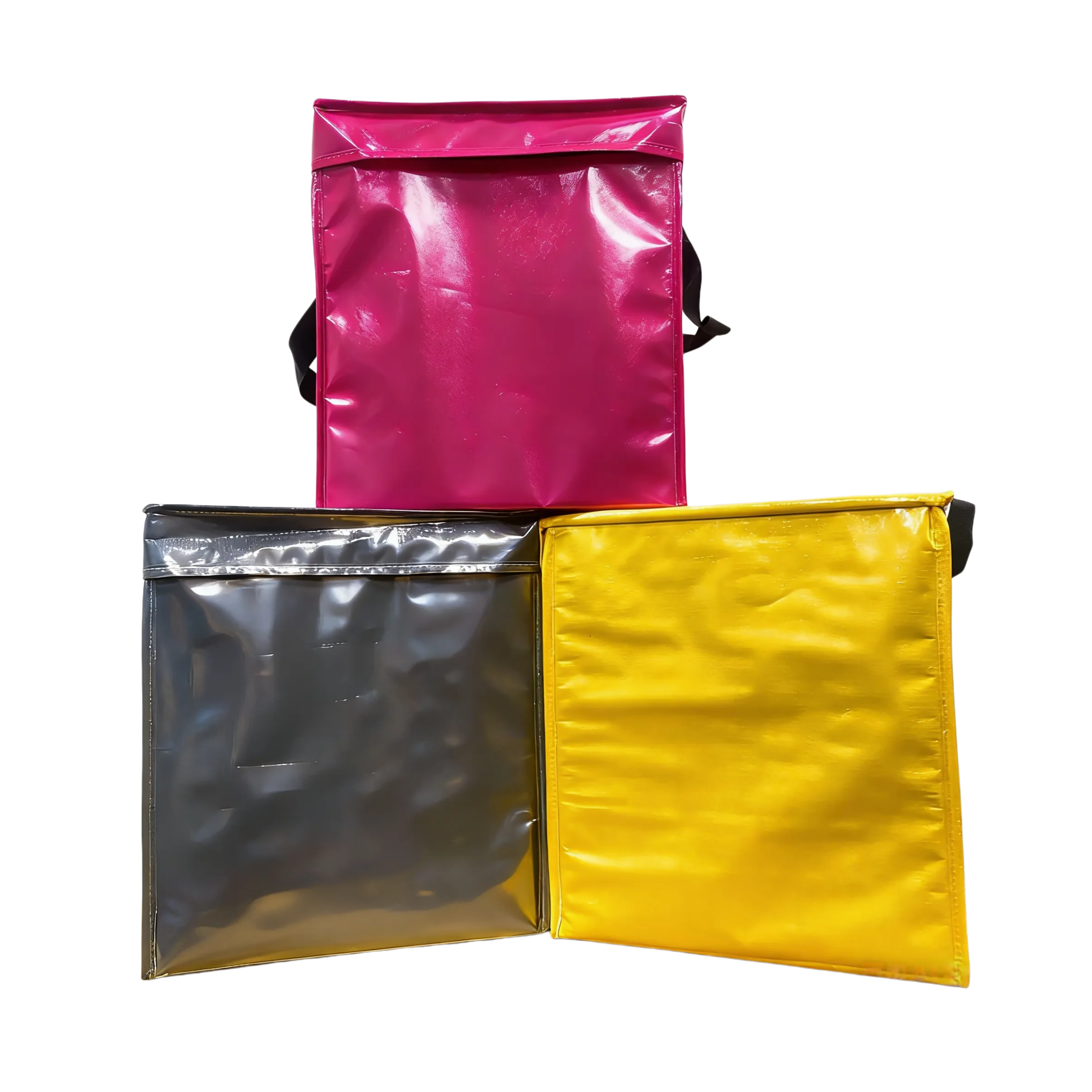
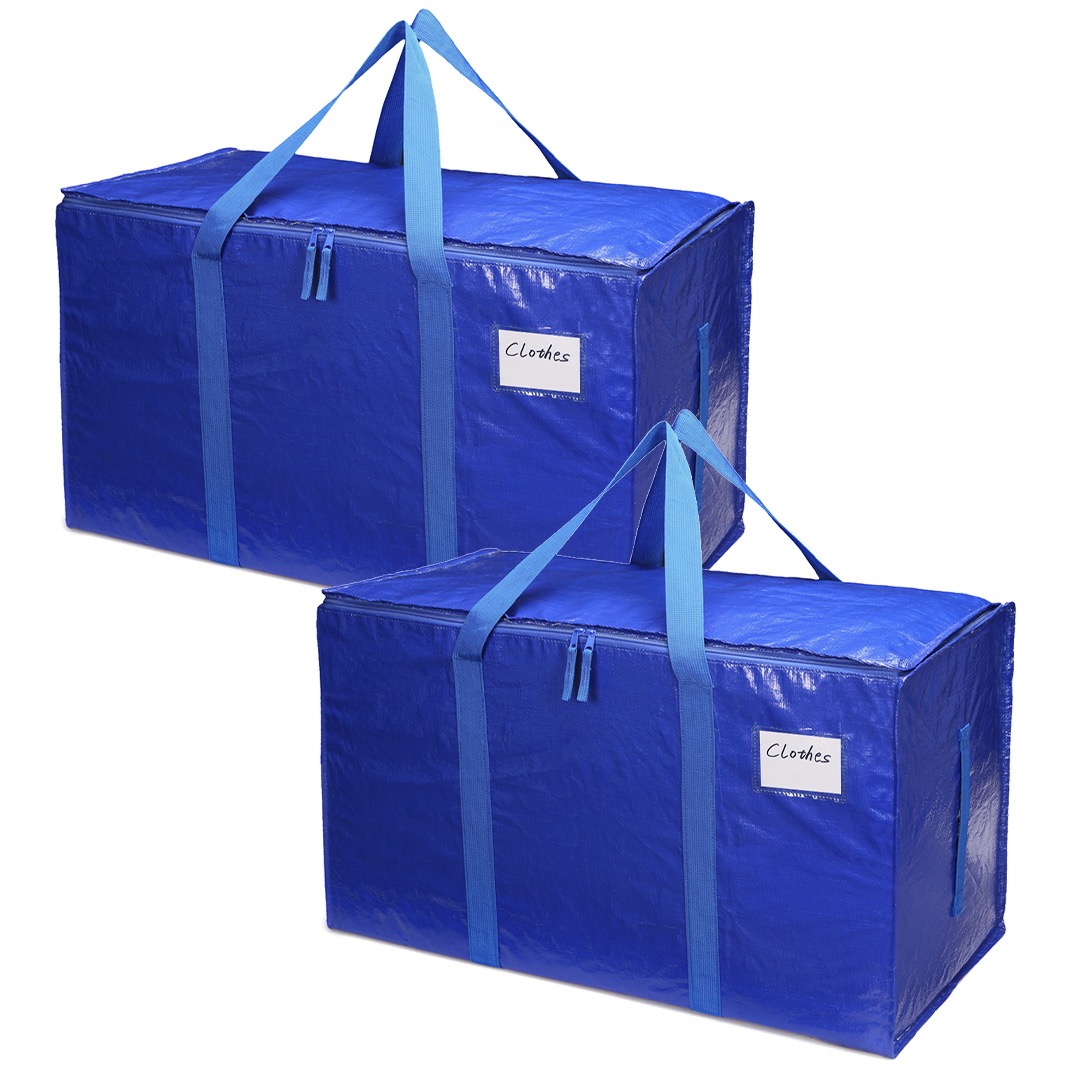
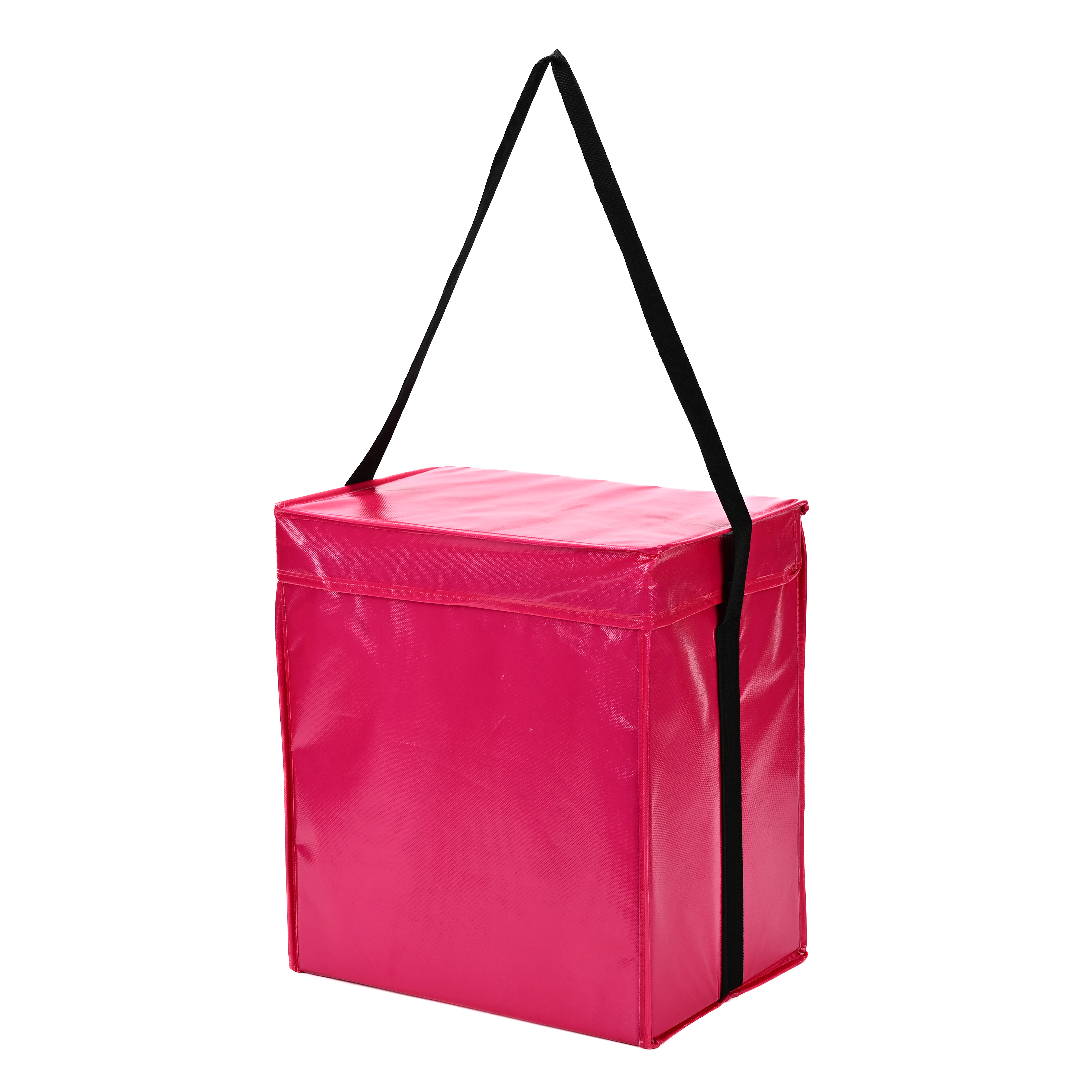
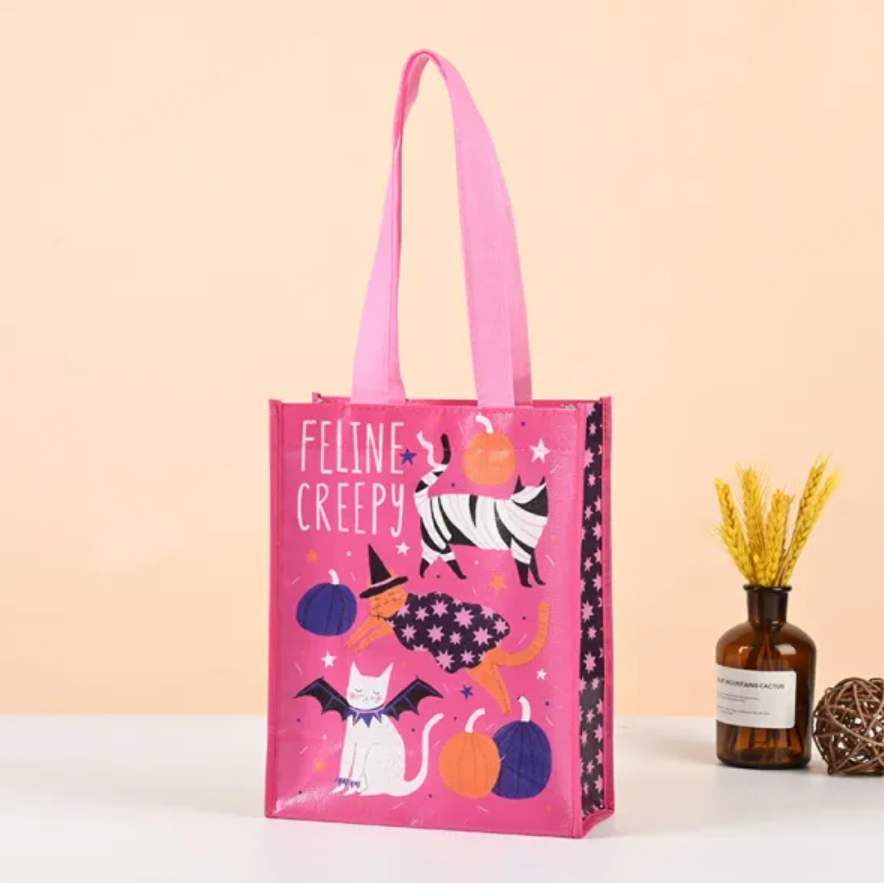
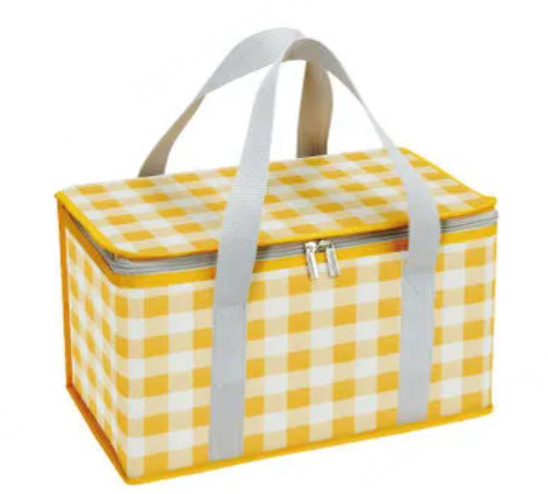
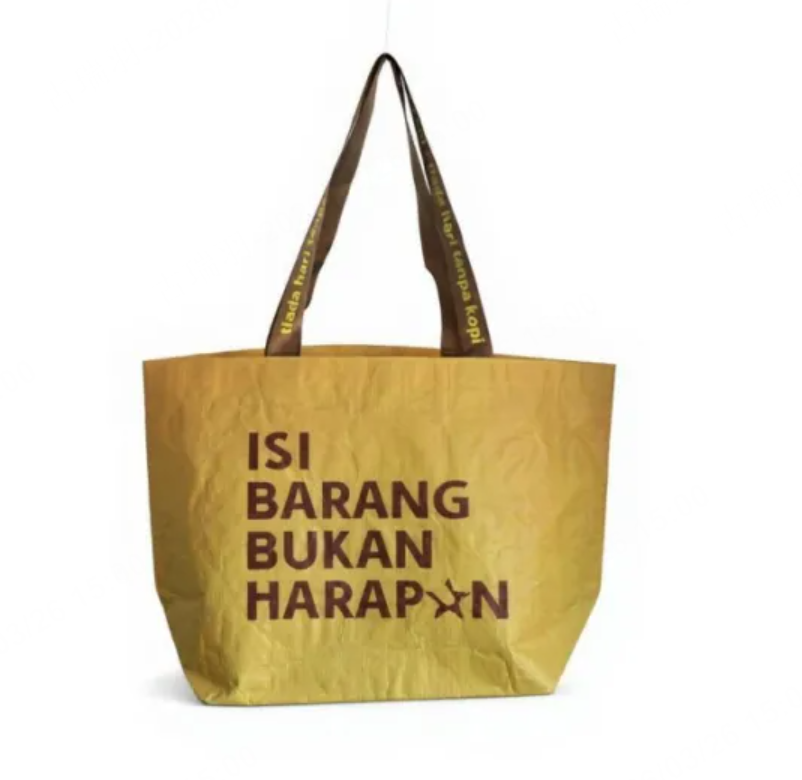
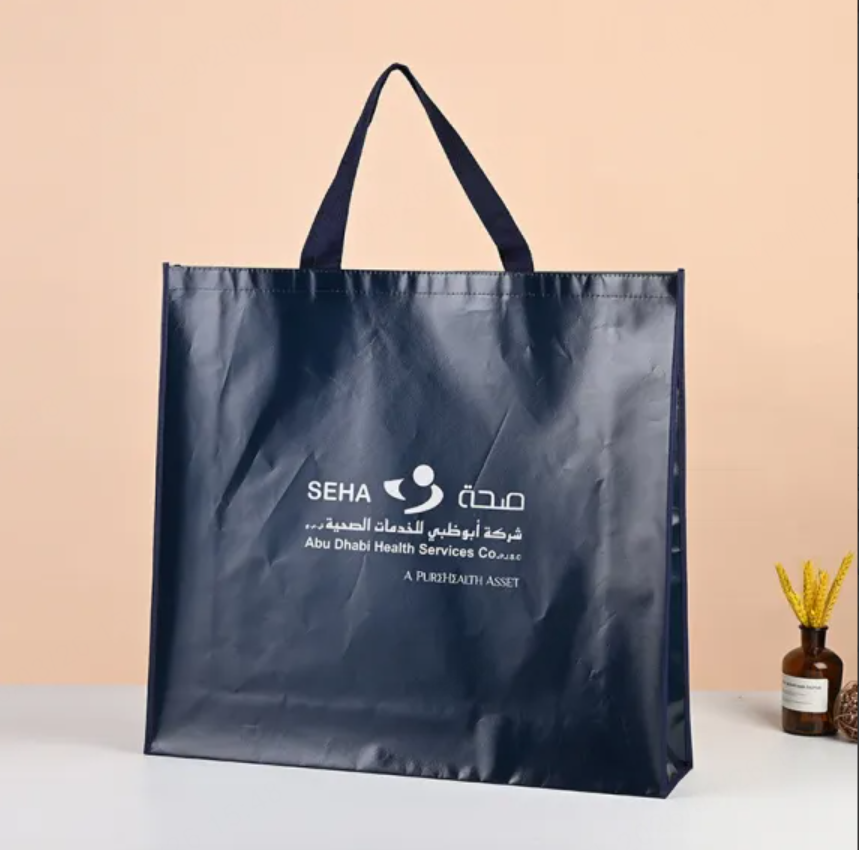
Our PP non woven bags are manufactured from high-quality polypropylene, available in weights from 60gsm to 120gsm depending on your durability requirements. The non woven fabric is produced through a spunbond process, where continuous PP filaments are laid randomly and bonded with heat and pressure, creating a uniform, tear-resistant material. Bags feature heat-sealed or sewn seams, reinforced handle attachments, and optional lamination (gloss, matte, metallic). Full customization includes size, color, printing (digital or gravure), handle style, and additional features like zippers, pockets, or bottom inserts. Minimum order quantity of 100 pieces. Certified REACH and OKET for safety. Perfect for retail checkouts, promotional events, grocery shopping, and corporate sustainability programs.

Polypropylene Unpacked: Why PP Non Woven Is the Ideal Material for Reusable Bags

When selecting reusable bags for your business, the material matters as much as the design. Different materials offer different trade-offs in strength, weight, cost, and environmental impact. Polypropylene (PP) non woven has emerged as the preferred choice for millions of reusable bags worldwide because it balances these factors better than any alternative. At Wenzhou Shuyou Packaging, we have manufactured PP non woven bags for over 18 years, and we understand the material science that makes them perform. This guide explains the properties of PP, how they translate into bag performance, and why PP non woven is the smart choice for most applications.

What Is Polypropylene (PP)?

Polypropylene is a thermoplastic polymer produced from propylene monomers. It is one of the most widely used plastics globally, found in packaging, automotive components, textiles, and medical devices. Key properties include:

Low density: 0.9 g/cm³, lighter than water and most other plastics

High melting point: 160°C (320°F), suitable for hot-fill applications

Chemical resistance: Unaffected by water, acids, alkalis, and many solvents

Fatigue resistance: Can be flexed repeatedly without breaking

Recyclability: PP is recyclable and widely accepted in recycling programs

From Polymer to Non Woven Fabric

Non woven fabric is not woven or knitted. Instead, it is created by bonding fibers together through mechanical, thermal, or chemical processes. For PP non woven, the spunbond process is most common:

Extrusion: PP pellets are melted and extruded through spinnerets to create continuous filaments

Drawing: Filaments are drawn to orient the polymer chains, increasing strength

Laying: Filaments are laid randomly onto a moving belt to form a web

Bonding: The web passes through heated rollers that bond fibers together

Finishing: The fabric may be calendered for smoothness, printed, or laminated

The result is a uniform, isotropic fabric (similar strength in all directions) with excellent tear resistance and drape.

How PP Properties Translate into Bag Performance

Low Density = Lightweight Bags
PP non woven bags are significantly lighter than cotton canvas or paper bags of equivalent strength. A typical PP non woven tote weighs 80-100 grams, compared to 200-300 grams for a cotton tote. This weight reduction lowers shipping costs, reduces customer fatigue, and decreases the carbon footprint per bag.

High Strength = Durable Bags
The oriented PP filaments provide high tensile strength. PP non woven fabric resists tearing even when cut or punctured, unlike plastic films that tear easily. Heat-sealed seams are strong and flexible, while sewn seams with reinforced stitching add extra durability at stress points.

Chemical Resistance = Easy Cleaning
PP does not absorb water or react with most cleaning agents. PP non woven bags can be wiped clean with mild soap and water, or rinsed and air-dried. Stains do not set as they would in cotton. This ease of cleaning encourages regular use and maintains brand appearance.

Fatigue Resistance = Long Lifespan
PP non woven fabric can be folded, crumpled, and flexed thousands of times without breaking down. The material does not crack or crease like paper, nor does it fray like woven fabric. A PP non woven bag can be used hundreds of times, providing exceptional value per bag.

PP Non Woven vs. Alternative Materials: A Comparison

When choosing bag materials, it helps to understand how PP non woven stacks up against common alternatives. Here is a detailed comparison across key performance metrics:

Weight: PP non woven is very light, while cotton canvas is heavy. Laminated paper is light, and HDPE plastic is very light. For comfortable carrying and low shipping costs, PP non woven and plastic win, but plastic is single-use.

Tear Resistance: PP non woven offers excellent tear resistance, comparable to cotton canvas. Laminated paper and HDPE plastic both have poor tear resistance, easily ripping under stress.

Water Resistance: PP non woven has good inherent water resistance (excellent with lamination). Cotton canvas is poor—it absorbs moisture and becomes heavy. Laminated paper has good coating but can still fail. HDPE plastic is excellent but single-use.

Reusability: PP non woven is designed for hundreds of uses, as is cotton canvas. Laminated paper offers limited reusability, and HDPE plastic is intended for single use.

Recyclability: PP non woven is widely recyclable. Cotton canvas is compostable and recyclable. Laminated paper has limited recyclability due to coating. HDPE plastic is recyclable but rarely reused.

Cost per bag: PP non woven is low cost, cotton canvas is high cost, laminated paper is low cost, and HDPE plastic is very low cost. However, cost per use is the more meaningful metric—PP non woven and canvas offer excellent value over hundreds of uses, while single-use bags have high cost per use if they must be repurchased.

Best use: PP non woven is ideal for everyday reusable applications like grocery shopping, retail checkout, and promotional events. Cotton canvas suits premium retail and long-term use where appearance and biodegradability are priorities. Laminated paper works for limited-use scenarios like gift bags. HDPE plastic is being phased out due to environmental concerns.

Environmental Considerations

PP non woven bags are often criticized by those who believe “plastic is bad.” But a nuanced view is necessary:

Advantages of PP Non Woven:

Lightweight construction leads to lower transport emissions compared to cotton or paper.

Designed for hundreds of uses, each bag replaces thousands of single-use plastic bags.

PP is widely recyclable; many municipalities accept PP bags in curbside recycling.

The material’s durability means bags last for years, reducing replacement frequency.

Considerations to Keep in Mind:

PP is not biodegradable (though it is recyclable, which is preferable to landfilling).

Production requires fossil fuels, though the energy input is lower than that of cotton canvas.

For most applications, the environmental impact of PP non woven bags is significantly lower than that of single-use plastic bags and comparable to or better than cotton canvas when usage frequency is accounted for. A PP non woven bag used 100 times has a lower per-use environmental footprint than a cotton bag used 100 times, due to cotton’s higher production energy and water requirements.

Application Scenarios for PP Non Woven Bags

The material properties of PP non woven make it suitable for:

Retail Checkout: Lightweight, durable, and cost-effective. Can be printed with store logos and sustainability messages.

Grocery Shopping: Handles heavy loads, resists moisture from produce and refrigerated items, breathable for freshness.

Promotional Events: Low cost per bag allows bulk distribution; print quality is excellent for sponsor logos.

Corporate Gifts: Available in custom colors with high-quality printing; perceived as useful and environmentally responsible.

Medical and Cleanroom: PP non woven is inert, lint-free, and can be sterilized (though our bags are not medical grade).

How Our Manufacturing Process Ensures Quality PP Non Woven Bags

At Wenzhou Shuyou Packaging, we control quality from material sourcing through finished bag:

Material certification: All PP is virgin or post-industrial recycled, certified REACH (no hazardous substances) and OKET (food contact safe)

Fabric production: We source from certified suppliers with consistent gsm and bonding quality

Printing: Digital or gravure using PP-compatible inks that bond permanently

Construction: Heat-sealed or sewn seams with reinforced stress points

Inspection: 100% visual and pull-test inspection for every bag

Our facility spans 6,000 square meters with 150+ employees, including dedicated quality control inspectors.

Customization Options for PP Non Woven Bags

Weight (gsm): 60gsm (light duty), 80gsm (standard), 100gsm (heavy duty), 120gsm (extra heavy)

Size: Standard or custom dimensions

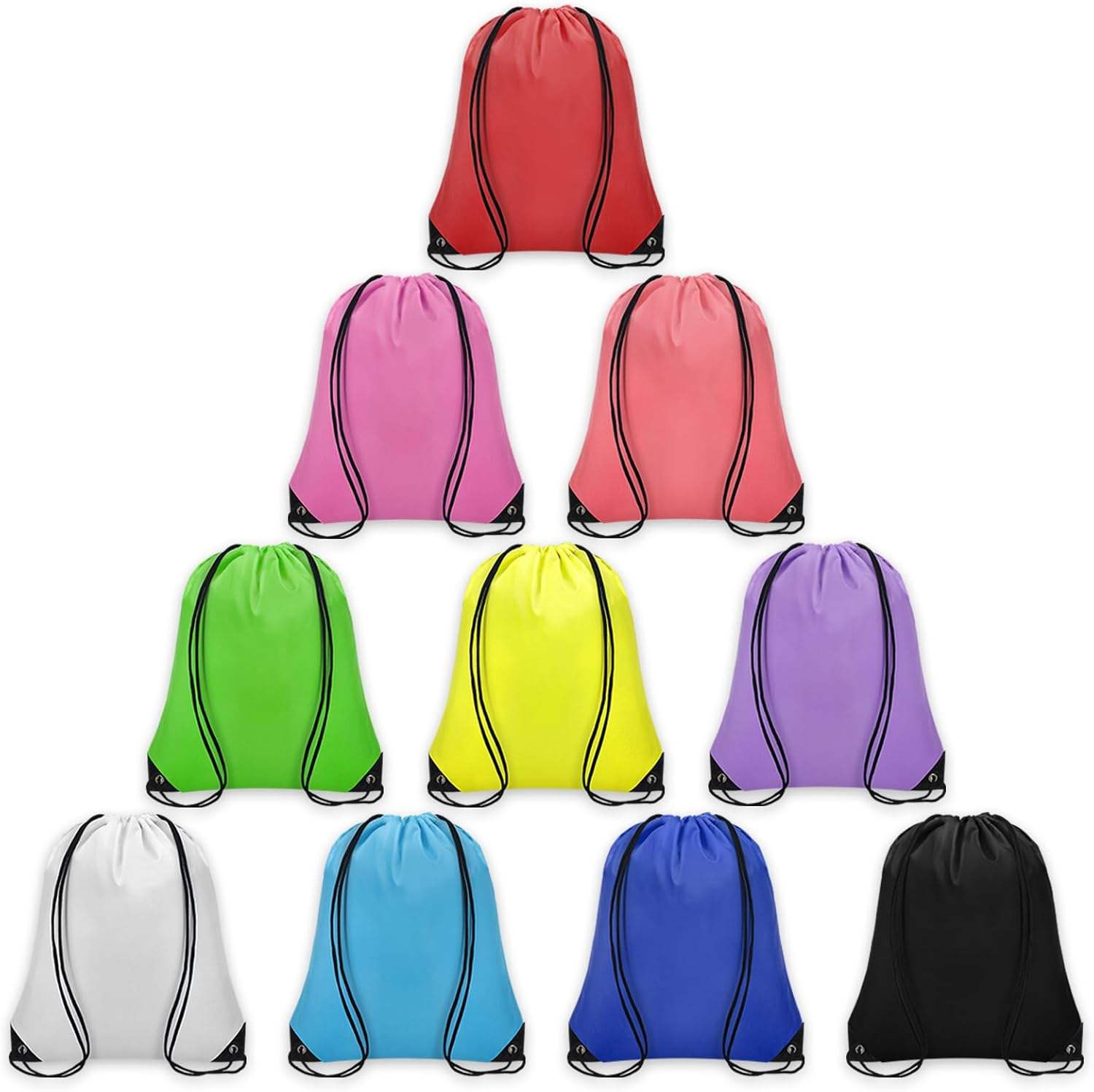
Color: Natural white, standard colors, or custom-matched Pantone

Lamination: None, gloss, matte, or metallic

Printing: Digital (100-2,000 pieces) or gravure (2,000+ pieces)

Handle style: Self-fabric, PP webbing, cotton webbing, rope

Closures: Zipper, Velcro, magnetic snap

Add-ons: Pockets, bottom insert, piping, labels

Sustainability in PP Non Woven Bag Production

We are committed to reducing environmental impact:

Recycled content: Available with post-industrial or post-consumer recycled PP

Energy efficiency: Our manufacturing processes minimize energy use

Waste reduction: Scrap fabric is reground and reused

Certifications: BSCI (ethical labor), ISO 9001 (quality), REACH (chemical safety), OKET (food contact)

Global Service for Businesses Worldwide

Our foreign trade team provides 7×24 coverage across all time zones. Delivery: orders under 10,000 pieces ship within 5 working days, orders up to 20,000 pieces within 8 working days.

Frequently Asked Questions About PP Non Woven Bags

Is polypropylene safe for food contact?

Yes. Polypropylene is widely used for food packaging, including yogurt containers, deli cups, and takeout containers. Our PP non woven bags are certified OKET for food contact safety. The material does not leach chemicals into food and is resistant to oils and acids. For grocery shopping, produce, and takeout, PP non woven bags are perfectly safe.
With proper care, a quality PP non woven bag can be reused 100-200 times or more. The actual lifespan depends on load weight, frequency of use, and care. Bags used weekly for grocery shopping typically last 2-4 years. Heat-sealed seams and reinforced handles extend lifespan. After the bag reaches end of life, it can be recycled with other PP plastics.
It depends on usage frequency. Lifecycle analyses show that a cotton bag must be used 50-150 times to offset its higher production energy and water footprint. A PP non woven bag requires fewer uses to break even with plastic bags (10-20 uses). Both are far better than single-use plastic if used repeatedly. For most consumers who will use a bag 50-100 times, both are good choices. PP non woven has lower transport emissions due to lighter weight.

Related Articles

non woven raw material: Non Woven Raw Material Price Volatility: Strategies for B2B Packaging Enterprises to Tackle Cost Challenges

10

Apr

non woven raw material: Non Woven Raw Material Price Volatility: Strategies for B2B Packaging Enterprises to Tackle Cost Challenges

Introduction: Facing the Roller Coaster Market – Survival Challenges for Nonwoven Packaging Enterprises The global market for nonwoven raw materials, particularly polypropylene (PP) and polyethylene (PE) based substrates, is undergoing signific...
View More
B2B Accessory Upgrade: How custom strap Defines High-End Brand Details

10

Apr

B2B Accessory Upgrade: How custom strap Defines High-End Brand Details

In today’s fast-paced B2B market, standing out has become increasingly difficult, especially when core products often become indistinguishable from competitors’. The pressure to differentiate your brand is real, and it’s in the subt...
View More
Exhibition Marketing Tool: How pp woven bag suppliers Becomes a Mobile Billboard for B2B Client Attraction?

10

Mar

Exhibition Marketing Tool: How pp woven bag suppliers Becomes a Mobile Billboard for B2B Client Attraction?

Your "Advertising Space" at Trade Shows: Have You Missed It? Every year, B2B businesses invest heavily in attending trade shows, with significant resources directed towards booth designs, product displays, and staff training. These elements are essen...
View More
In-depth Analysis of Functional non woven fabric manufacturer: Material Solutions for Specific B2B Industry Needs

10

Apr

In-depth Analysis of Functional non woven fabric manufacturer: Material Solutions for Specific B2B Industry Needs

The Challenges and Opportunities in B2B Procurement Decisions In today’s rapidly evolving B2B market, the applications of non-woven fabrics are becoming increasingly specialized. From high-end medical protection gear to sustainable packaging so...
View More

What Our Clients Say About Our PP Non Woven Bags

— David H.

“We researched bag materials extensively before choosing PP non woven. The combination of light weight, strength, and recyclability was exactly what we needed. Shuyou’s bags have performed flawlessly—our customers love them, and they’ve held up through hundreds of uses. The REACH certification gave us confidence in safety.”

— Jennifer L.

“We switched from cotton totes to PP non woven to reduce shipping weight and cost. The difference is dramatic—the PP bags are so much lighter, but they carry just as much. Our customers haven’t noticed any drop in quality. The printing is crisp, and the bags look great. We’re saving money and carbon.”

— Robert T.

“Our corporate ESG goals include reducing single-use plastics and using recyclable materials. PP non woven bags checked both boxes. Shuyou provided documentation on material composition and recyclability that we used in our report. The bags themselves are excellent—durable, attractive, and our employees actually want to use them.”

Get a Free Quote

Our representative will contact you soon.
Email
Name
Company Name
Message
0/1000
Exceptional Strength-to-Weight Ratio for Efficient Performance

Exceptional Strength-to-Weight Ratio for Efficient Performance

PP non woven fabric delivers exceptional strength at very low weight. A bag weighing just 80 grams can safely carry 20-30 pounds of groceries, books, or supplies. This efficiency means less material per bag, reducing resource consumption and shipping emissions. For businesses, lighter bags mean lower shipping costs and reduced carbon footprint. For customers, lighter bags mean less fatigue during carry. No other reusable bag material matches PP non woven’s combination of low weight and high strength.
Inherent Water Resistance Without Added Coatings

Inherent Water Resistance Without Added Coatings

Unlike cotton or paper, polypropylene does not absorb water. PP non woven bags resist moisture from rain, wet produce, and spills, preventing the sogginess and weight gain that plague natural fibers. The bag remains lightweight and pleasant to handle even in wet conditions. For grocery shopping, this protects purchases and maintains bag integrity. For outdoor events, it provides peace of mind. Optional lamination adds complete waterproofing, but even uncoated PP non woven outperforms cotton in wet conditions.
Excellent Printability for Vibrant Branding

Excellent Printability for Vibrant Branding

The smooth, consistent surface of PP non woven fabric accepts ink exceptionally well, producing sharp detail and vibrant color. Unlike textured woven fabrics that can cause ink bleeding, PP non woven provides a clean canvas for logos, artwork, and text. Digital printing captures photographic quality; gravure printing delivers consistent results at scale. Your brand looks its best, and that professional appearance transfers to your products.
Full Recyclability with Established Infrastructure

Full Recyclability with Established Infrastructure

PP is one of the most recyclable plastics, with established collection and processing infrastructure in many regions. At end of life, PP non woven bags can be recycled into new plastic products—automotive parts, storage containers, new bags—closing the loop on material use. Our bags are produced with recyclability in mind, avoiding mixed materials that complicate recycling. For businesses with circular economy goals, PP non woven bags provide a practical path to material recovery.
onlineONLINE