Understanding Non Woven Raw Material for Professional Custom Bag Manufacturing
When you invest in custom bags, the quality of the finished product begins long before manufacturing starts. It begins with the non woven raw material itself. Understanding what makes quality raw material and how it affects final product performance helps you make informed decisions that protect your brand investment and ensure your bags perform as expected.
What Defines Quality Non Woven Raw Material
Non woven raw material is created by bonding fibers together through mechanical, thermal, or chemical processes rather than weaving. This production method creates a fabric that is lightweight, breathable, and surprisingly strong. However, not all non woven raw material is created equal. Several factors determine material quality and its suitability for custom bag applications.
Fiber quality is the first consideration. High-quality raw material uses consistent fiber lengths and diameters that bond effectively during manufacturing, resulting in uniform material strength throughout the fabric. Inferior fibers can create weak spots that compromise bag durability and affect printing consistency.
Weight uniformity is another critical factor. Quality non woven raw material maintains consistent grams per square meter across the entire roll. Variations in weight affect how the material accepts lamination, how printing ink adheres, and how the finished bag performs under load. Our inspection process verifies weight consistency to ensure predictable manufacturing outcomes.
Tensile strength determines how much stress the material can withstand before tearing. This is particularly important for bag handles and bottom seams that experience the greatest strain during use. We test raw material tensile strength to ensure finished bags will reliably carry the intended loads without failure.
How Raw Material Selection Affects Finished Bag Performance
The connection between raw material quality and finished bag performance is direct and significant. High-quality non woven raw material accepts lamination more evenly, creating smoother surfaces that enhance printing results and provide better moisture resistance. It maintains structural integrity during the cutting, sewing, and finishing processes, reducing waste and ensuring consistent finished dimensions.
For digital printing applications, material surface consistency affects ink absorption and color accuracy. Premium raw material produces sharper images with better color saturation, capturing fine details and gradients accurately. For gravure printing, consistent material thickness ensures proper pressure contact during printing, maintaining registration accuracy across thousands of impressions.
Lamination adhesion also depends on raw material quality. Surface contaminants, inconsistent fiber bonding, or improper material treatment can prevent lamination films from adhering properly. Poor adhesion leads to peeling, delamination, and premature bag failure. Our quality controls ensure that every roll of raw material meets the surface characteristics required for reliable lamination bonding.
Applications Across Industries and Use Cases
Different applications require different raw material specifications. Understanding these requirements helps you select the right material for your specific needs.
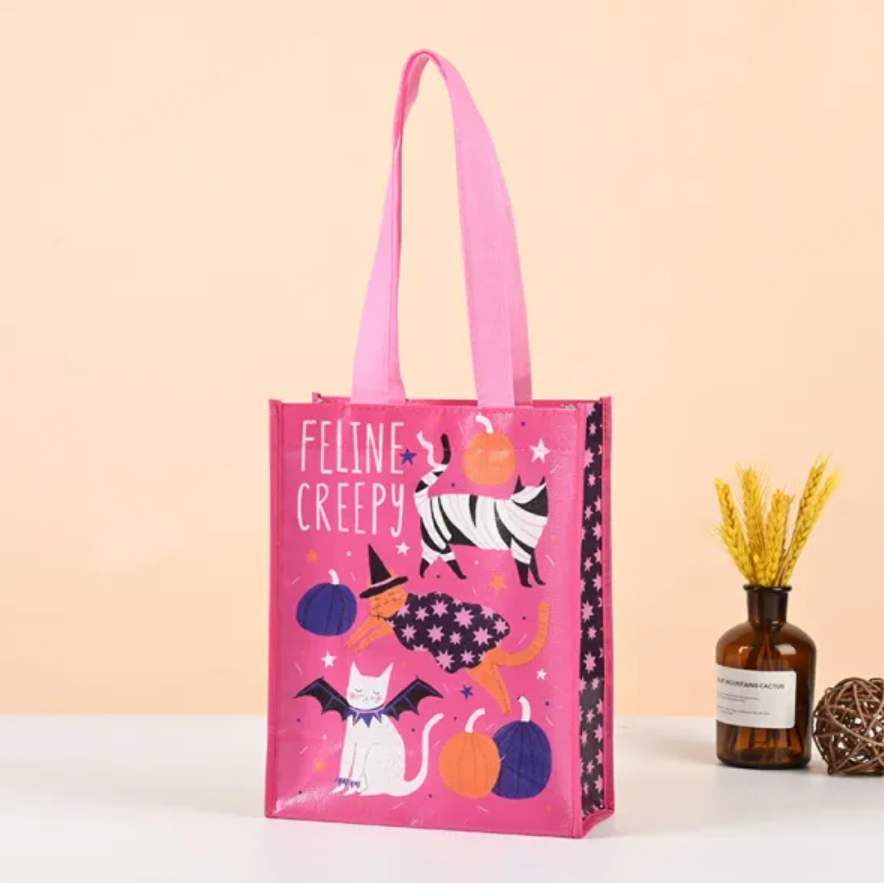
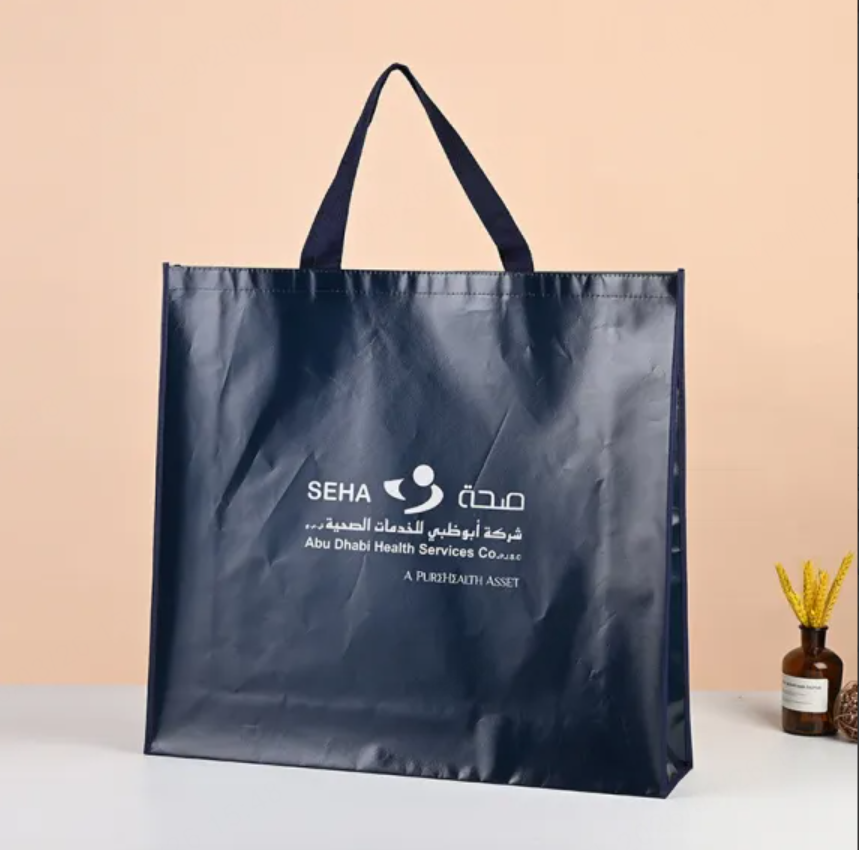
Retail shopping bags typically use non woven raw material in the 80 to 100 gram range with single-sided lamination. This combination provides sufficient strength for typical retail loads while maintaining cost efficiency. The laminated surface protects printed graphics from moisture and wear, keeping your branding visible throughout the bag’s useful life.
Premium retail and gift bags often utilize 120 to 140 gram raw material with double-sided lamination. The heavier weight provides a more substantial feel that communicates quality, while double-sided lamination protects both interior and exterior surfaces. These bags are designed for repeated use, offering extended durability that reflects well on your brand.
Promotional giveaway bags frequently use lighter weight non woven raw material without lamination or with selective lamination only on printed areas. This approach balances cost considerations with branding requirements, making these bags cost-effective for large-scale distribution while still delivering effective marketing exposure.
Food and beverage applications may require specific raw material characteristics such as enhanced moisture resistance or compliance with food contact regulations. We work with clients to select raw material options that meet these specialized requirements while maintaining the visual and functional qualities needed for their applications.
Our Raw Material Processing Capabilities
Our 6,000 square meter facility is equipped to process non woven raw material across the full spectrum of custom bag manufacturing. With six gravure printing machines, three laminators, five cutting machines, and over eighty sewing machines, we maintain the capacity to handle both small test orders and large production runs efficiently.
For smaller quantities under 2,000 pieces, our digital printing capabilities allow you to order without minimum quantity constraints. This flexibility is particularly valuable when testing new designs, fulfilling limited edition runs, or managing inventory with precision. Digital printing on quality raw material delivers exceptional image quality without plate costs.
For larger orders exceeding 2,000 pieces, our gravure printing lines provide the efficiency and consistency required for high-volume production. The combination of quality raw material and precision gravure printing ensures consistent color reproduction across every bag in your order, maintaining brand consistency across all distribution channels.
Quality Assurance Throughout Production
Our commitment to quality extends from raw material inspection through final product packaging. We maintain 100 percent inspection protocols that verify printing accuracy, lamination integrity, stitching quality, and finished dimensions. Every handle attachment is tested for security, every seam is checked for proper reinforcement, and every bag is examined for any defects that could affect performance or appearance.
We provide mock-up samples before proceeding with bulk production, allowing you to verify that the selected raw material and processing specifications deliver the results you expect. This sampling process ensures that any adjustments can be made before full production begins, protecting your project timeline and ensuring satisfaction.
Sustainable Raw Material Options
We actively support sustainability goals by offering non woven raw material options that incorporate recycled content. Our RPET material transforms recycled plastic bottles into high-quality fabric that performs comparably to virgin materials while reducing environmental impact. We also offer polypropylene options made from post-industrial recycled sources, providing additional choices for brands seeking to minimize their environmental footprint.
The combination of sustainable raw material options with efficient manufacturing processes and digital printing capabilities allows us to help clients achieve their environmental objectives without compromising on product quality or performance.
 EN
EN

 ONLINE