The Ultimate Guide to Non Woven Bags: From Material Science to Business Applications
Non woven bags have become ubiquitous in retail stores, promotional events, and households worldwide. Their rise from a niche industrial product to a mainstream consumer item reflects a convergence of factors: growing environmental awareness, plastic bag bans and taxes, improved manufacturing technology, and the material’s inherent versatility. At Wenzhou Shuyou Packaging, we have been at the forefront of this transformation for over 18 years, manufacturing millions of non woven bags for clients across retail, promotional, corporate, and non-profit sectors. This guide draws on that experience to provide a comprehensive overview of non woven bags, helping you understand the material, the manufacturing process, the customization options, and the key factors to consider when selecting bags for your business.
What Is a Non Woven Bag?
A non woven bag is a bag made from non woven fabric, most commonly polypropylene (PP). Non woven fabric is not woven or knitted. Instead, it is produced by taking individual fibers, laying them into a web, and bonding them together using heat, pressure, or chemicals. For bag applications, the most common process is spunbonding, where continuous polypropylene filaments are extruded, laid randomly onto a moving belt, and then thermally bonded. The result is a fabric that has no grain direction, does not fray, and can be engineered for specific properties like strength, softness, or breathability.
Non woven bags are often called “reusable shopping bags,” “PP non woven bags,” or simply “eco bags.” They have largely replaced single-use plastic bags in many jurisdictions due to their durability and recyclability.
How Non Woven Bags Are Made
Understanding the manufacturing process helps explain why non woven bags have their particular properties. The process begins with polypropylene resin, a thermoplastic polymer derived from propylene gas. The resin is melted and extruded through spinnerets to create continuous filaments. These filaments are drawn to orient the polymer molecules, increasing strength. The filaments are then laid randomly onto a moving belt to form a uniform web. The web passes through heated rollers that bond the fibers at their intersections. The resulting fabric is wound into large rolls.
From the fabric rolls, the bag making process continues. The fabric may be printed using digital or gravure technology. It is then cut to the specified dimensions. Handles are attached using heat-sealing or sewing. The side seams and bottom are formed, either by heat-sealing or sewing. Optional features like gussets, zippers, or pockets are added. Finally, the finished bags are folded, packed, and shipped.
The entire process is highly automated and efficient, which keeps production costs low. The speed of production also allows for fast turnaround times, with orders of 10,000 pieces often completed within 5 working days.
Key Properties of Non Woven Bags
Several properties make non woven bags uniquely suited for a wide range of applications. The first is their light weight. Non woven fabric typically weighs between 60 and 120 grams per square meter, which is much lighter than cotton canvas (200-300 gsm) or even some paper bags. This light weight translates into lower shipping costs, lower carbon emissions, and less fatigue for customers carrying the bags.
The second key property is tear resistance. Despite being light, non woven fabric resists tearing because the randomly oriented fibers distribute stress across a wide area. A standard 80 gsm non woven bag can safely hold 10-15 kilograms of groceries or merchandise. The handles, when properly reinforced, are the most common failure point, not the fabric itself.
The third key property is breathability. Non woven fabric has an open pore structure that allows air to circulate. This is a major advantage for grocery bags because it keeps produce fresh and prevents condensation from refrigerated items. For other applications, breathability reduces the risk of moisture damage.
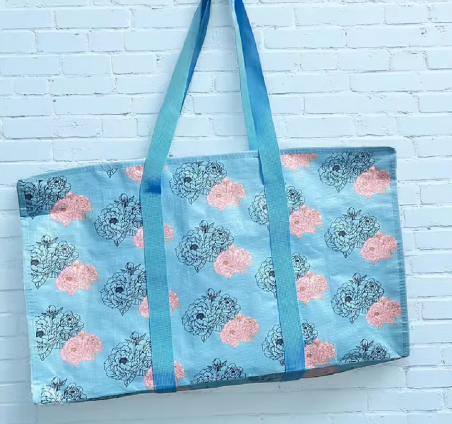
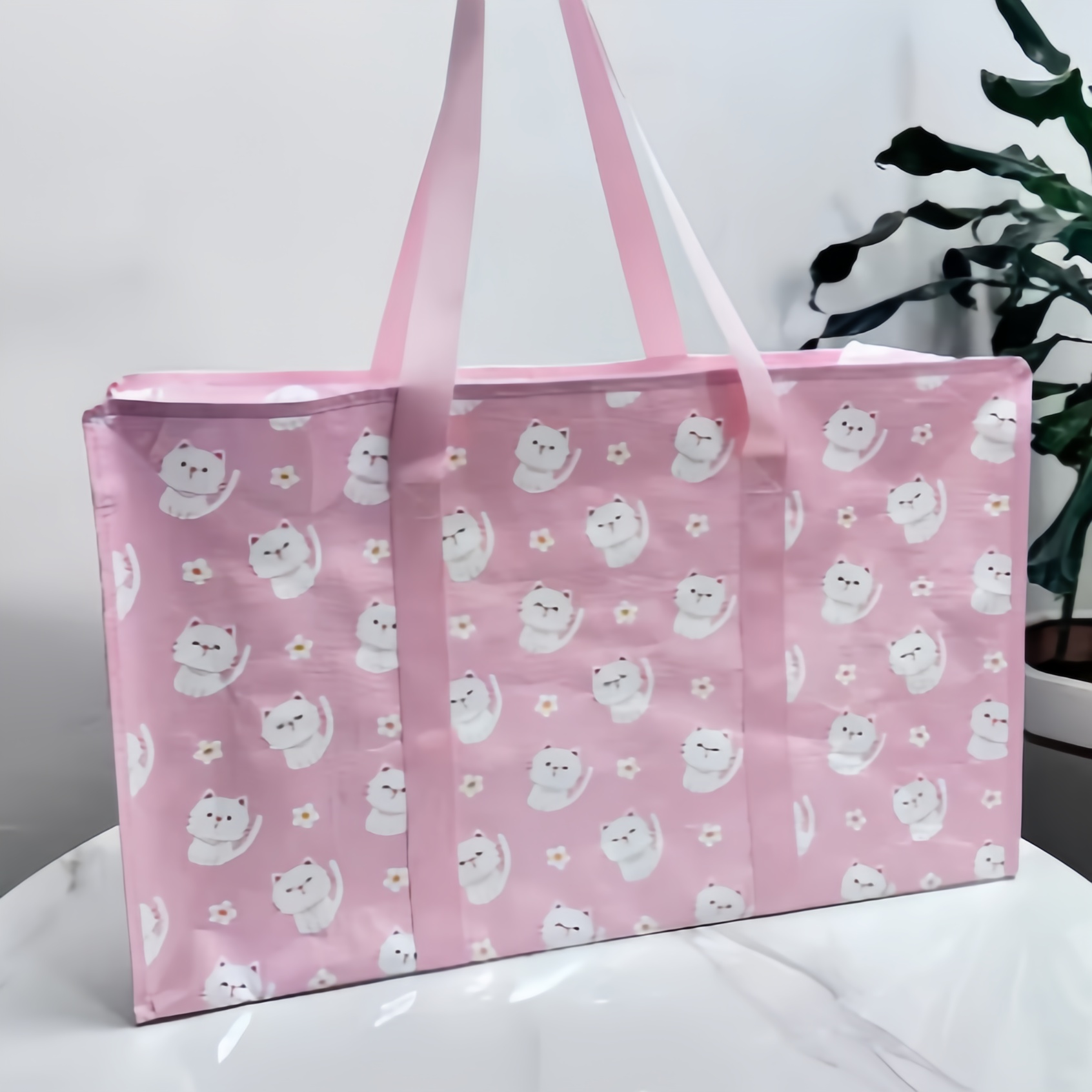
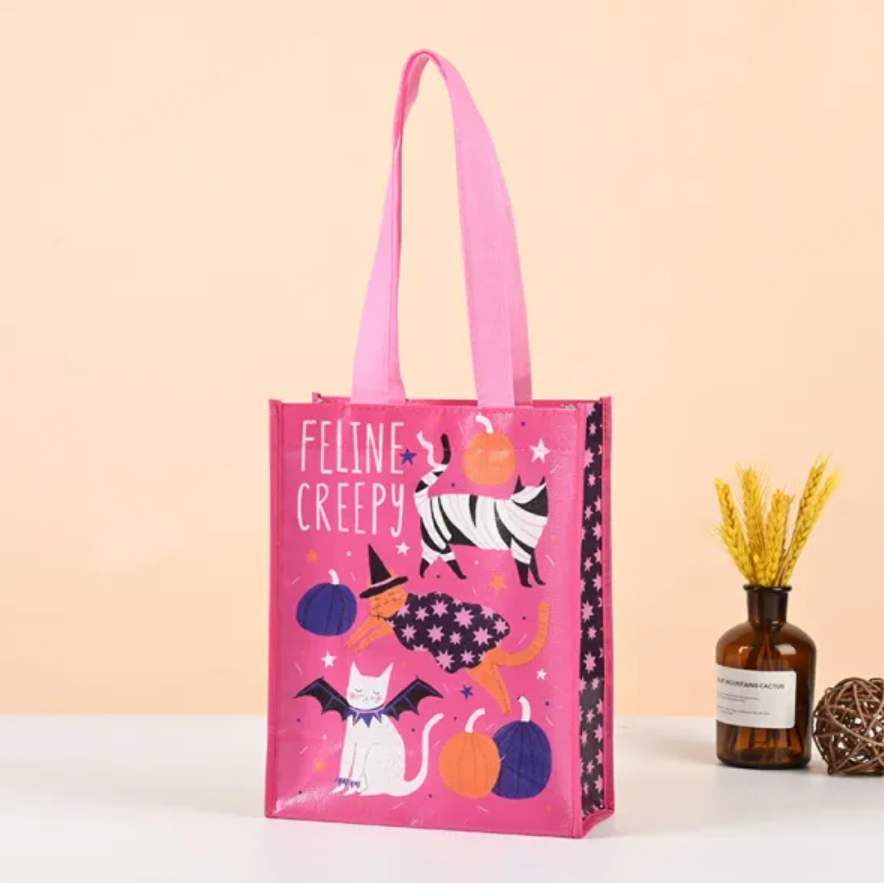
The fourth key property is printability. The uniform surface of non woven fabric provides an excellent substrate for printing. Inks adhere well, colors appear vibrant, and fine details reproduce clearly. Digital printing can achieve photographic quality, making it possible to print complex logos, product images, and artistic designs directly on the bag.
Types of Non Woven Bags
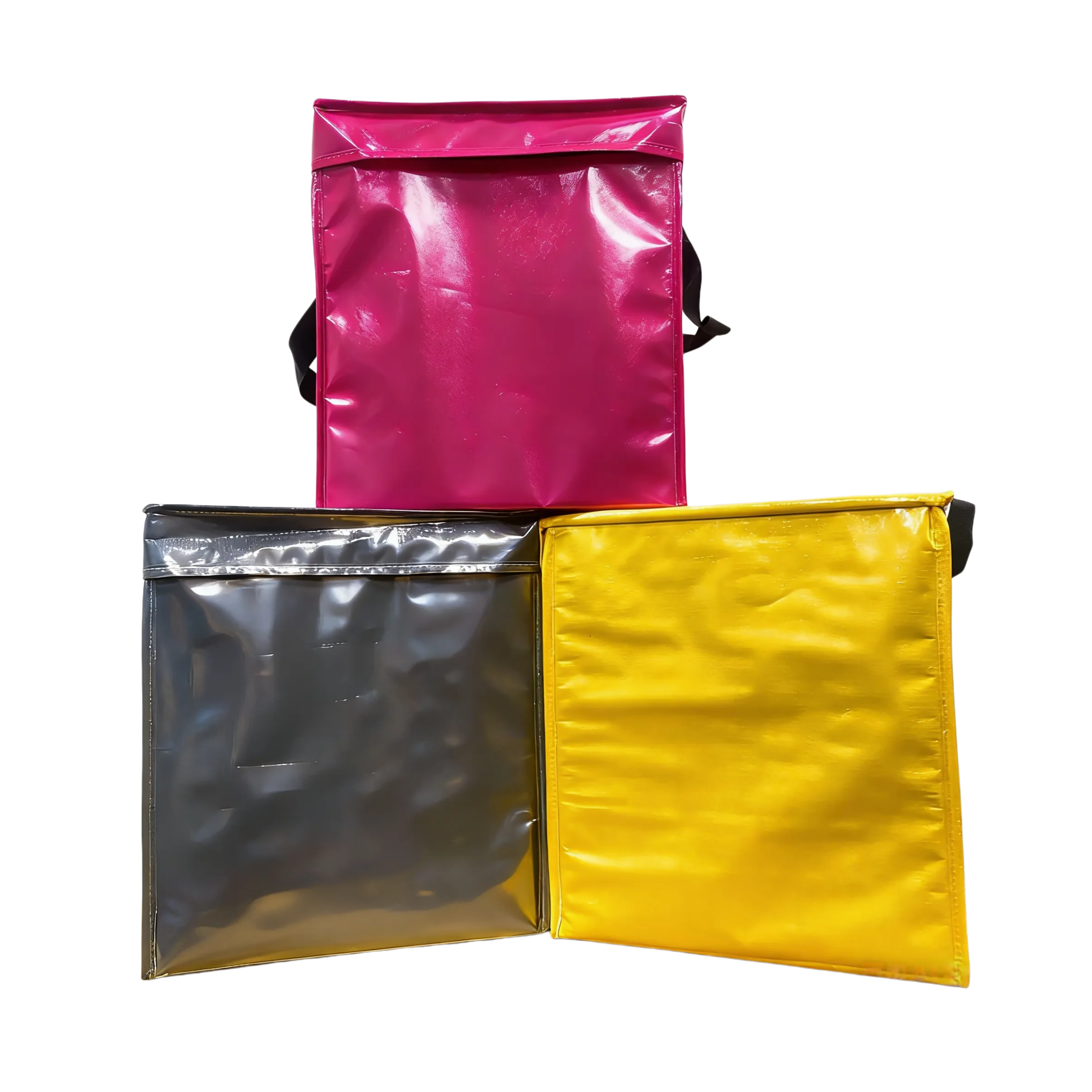
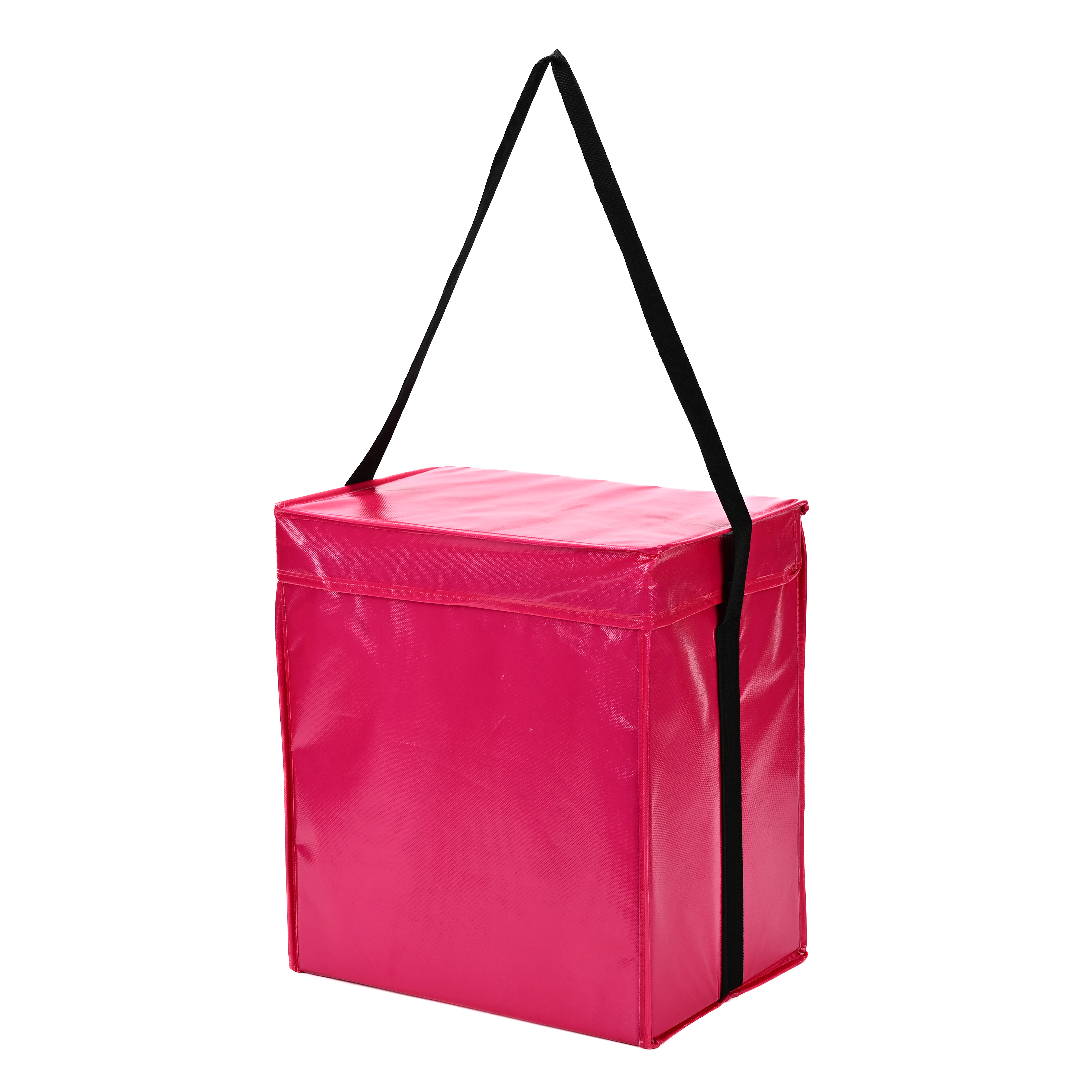
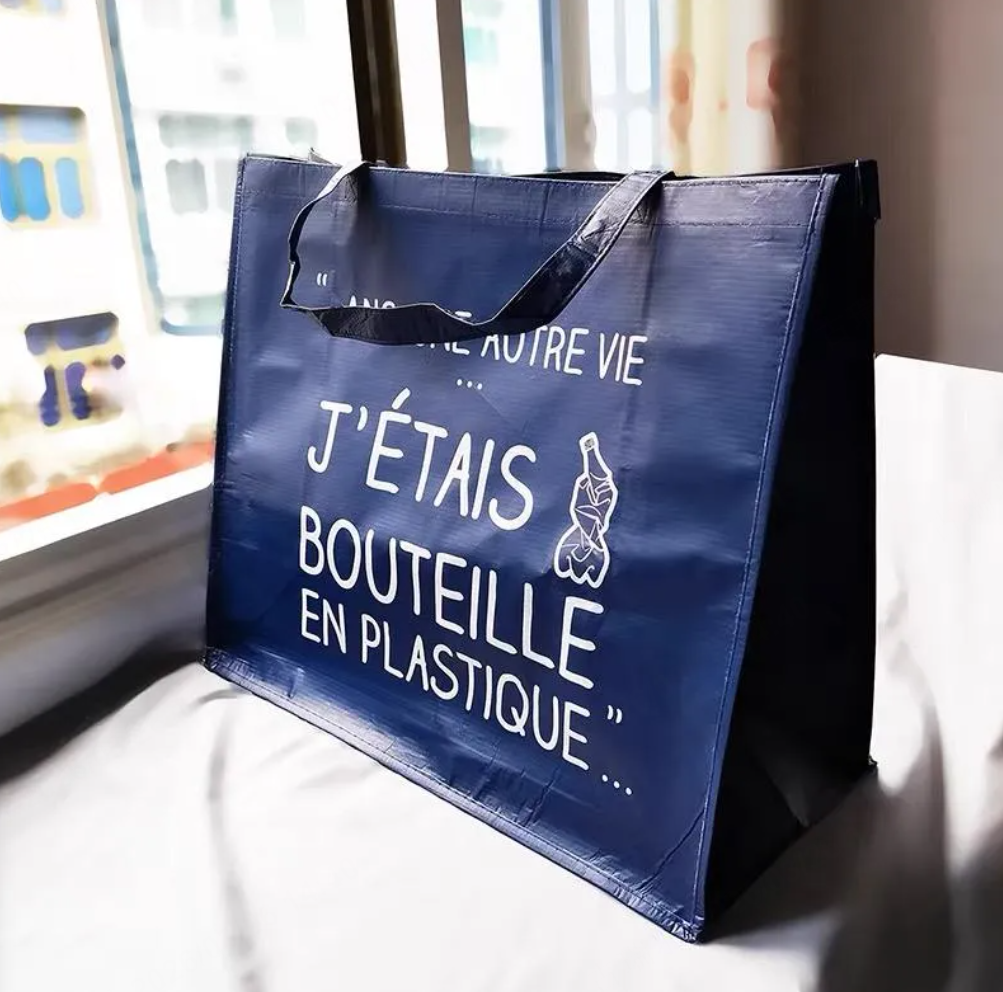
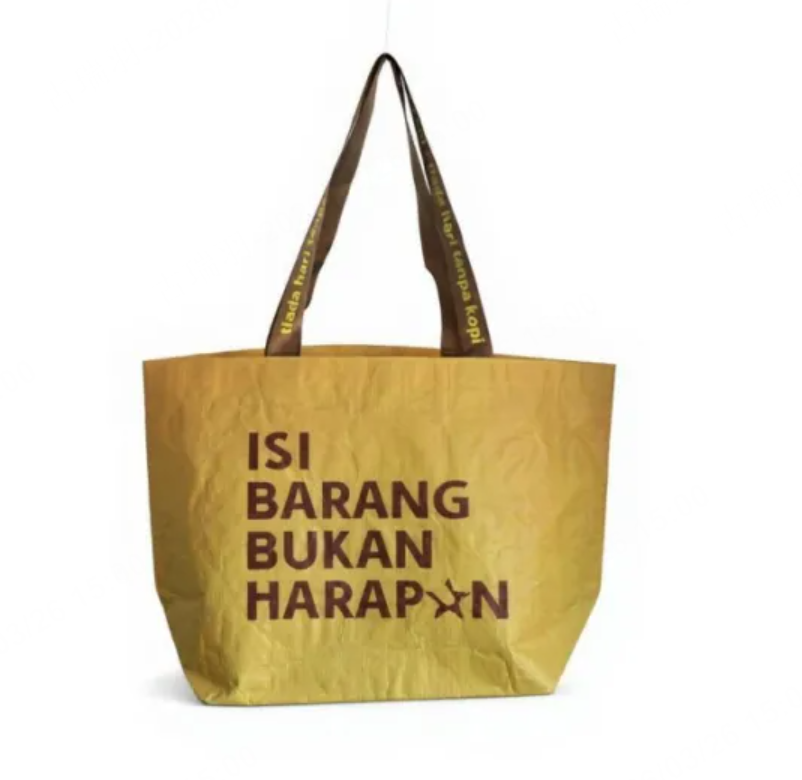
Non woven bags come in many styles and configurations to suit different applications. The most common style is the standard tote, with two handles and an open top. This classic design is used for retail checkout, grocery shopping, and promotional giveaways. Variations include the gusseted tote, which has side or bottom gussets that expand the bag’s capacity, making it ideal for bulky items. The drawstring bag is a lightweight, compact option for gym clothes, shoes, or small items. The backpack style converts the non woven bag into a hands-free carry solution. The die-cut vest bag has cut-out handles, creating a bag that resembles a traditional plastic vest bag but made from durable non woven fabric. The cooler bag is insulated with a thermal liner, keeping food and drinks cold during transport.
Customization Options for Non Woven Bags
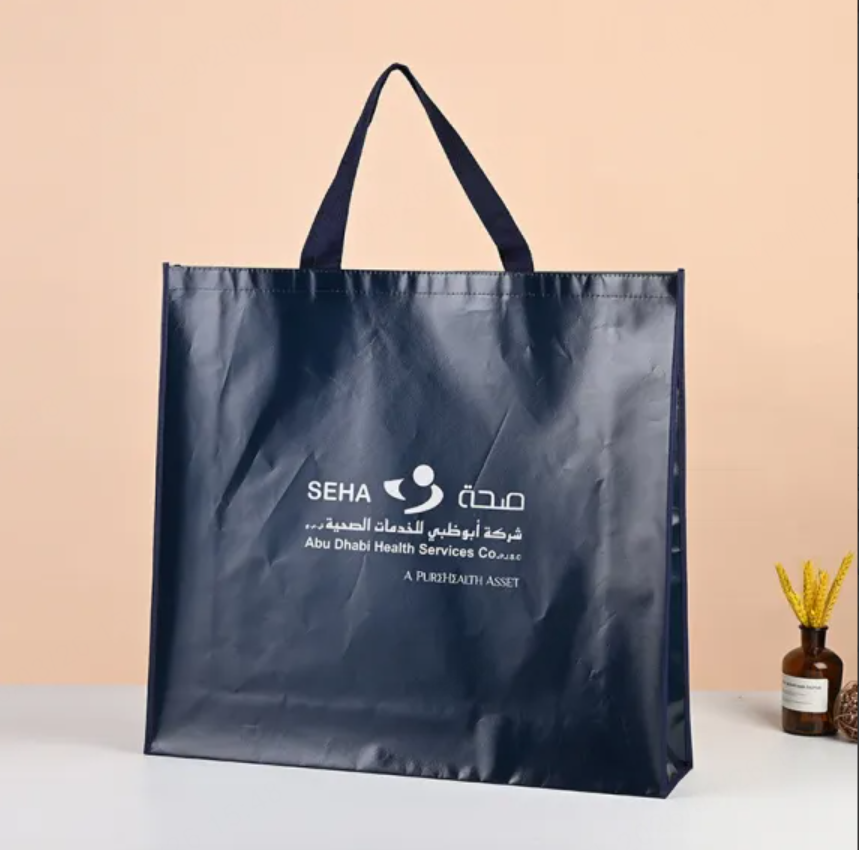
One of the greatest advantages of non woven bags is their customizability. Businesses can create bags that perfectly reflect their brand identity and meet their functional requirements. Size is the most basic customization. Standard sizes range from compact (13”x15”) for small purchases to extra-large (18”x20” with gusset) for grocery hauls, and custom dimensions are available. Color options include natural white, standard colors from a catalog, or custom-matched Pantone colors. Printing methods include digital printing for small quantities (100 to 2,000 pieces) with no plate costs and photographic quality, and gravure printing for high volumes (2,000 pieces and above) with the lowest per-unit cost. Handle styles include self-fabric handles made from the same non woven material, PP webbing handles for extra durability and a finished look, cotton webbing for a natural feel, and rope for a casual aesthetic. Lamination options include gloss for vibrant, eye-catching colors, matte for a sophisticated, subtle finish, and metallic for premium appeal. Additional features include gussets for expanded capacity, zipper closures for security, interior or exterior pockets for organization, bottom inserts for structure, and piping for visual definition.
Application Scenarios Across Industries
Non woven bags serve a remarkably wide range of industries and applications. In retail, they are used as checkout bags for grocery stores, apparel shops, bookstores, gift shops, and pharmacies. Custom printing with store logos and sustainability messages reinforces brand identity and communicates environmental responsibility. In promotional events, non woven bags are distributed at trade shows, conferences, festivals, and community events. They are cost-effective enough for bulk giveaways yet durable enough to be used long after the event, generating ongoing brand exposure. In corporate settings, non woven bags are used for employee welcome kits, client gifts, sustainability program giveaways, and internal events. Custom printing with company logos and values reinforces corporate culture. In the non-profit sector, environmental organizations, museums, zoos, and charities use non woven bags for donor appreciation, membership perks, event merchandise, and fundraising campaigns. The bags align with organizational missions and provide practical value to supporters. In government and municipal programs, cities and counties use non woven bags for public awareness campaigns, plastic bag ban education, and recycling program giveaways. The bags serve as tangible tools for behavior change.
How to Select the Right Non Woven Bag for Your Business
Selecting the right non woven bag involves balancing several factors. The first is fabric weight, measured in grams per square meter (gsm). For light-duty applications such as conference giveaways or packaging very light products, 60 to 70 gsm is sufficient. For standard retail checkout and grocery shopping, 80 to 90 gsm is the most common choice, offering good strength and durability at an affordable price. For heavy-duty applications such as carrying books, laptops, or daily use over many years, 100 to 120 gsm is recommended, providing a more substantial feel and longer lifespan.
The second factor is size. Measure the typical items that will be carried in the bag. For grocery shopping, a bag with dimensions around 15”x16” with a 6” bottom gusset is standard. For promotional giveaways, a smaller bag around 13”x15” may be more cost-effective. For retail apparel, a bag that fits folded clothing without excess material is ideal. Custom dimensions are available for unique requirements.
The third factor is handle style. Self-fabric handles are the most cost-effective and work well for light to medium loads. PP webbing handles are stronger and provide a more finished, professional appearance, suitable for heavier loads and premium applications. Cotton webbing offers a natural, soft feel. Rope handles give a casual, beachy look.
The fourth factor is printing. Digital printing is best for small quantities, designs with many colors, photographic images, or variable data (different names or numbers on each bag). Gravure printing is best for large quantities (2,000+ pieces) with consistent, simple designs, offering the lowest per-unit cost.
The fifth factor is additional features. Lamination adds water resistance and enhances print vibrancy. Gussets increase capacity. Zippers provide security. Pockets add organization. Consider which features are essential for your application and which are optional luxuries that add cost.
Sustainability and Environmental Impact
Non woven bags are often promoted as eco-friendly, but the reality requires nuance. The environmental impact of any bag depends on how it is used. A non woven bag that is used once and thrown away has a higher environmental footprint than a plastic bag used once. But a non woven bag that is used 100 times replaces 100 plastic bags, and at that point, its per-use environmental impact is far lower. Our non woven bags are designed for hundreds of uses. The durable construction ensures they remain in service for years. When they finally reach end of life, the polypropylene material is recyclable. We offer bags made from recycled content and can provide guidance on recycling. Our manufacturing processes are certified under BSCI, ISO 9001, REACH, and OKET, ensuring ethical labor, quality management, chemical safety, and food contact suitability.
Why Choose Us for Your Non Woven Bags
With over 18 years of experience and a facility spanning 6,000 square meters, Wenzhou Shuyou Packaging is a trusted manufacturer of non woven bags for clients across North America, South America, Europe, and Asia. We operate six gravure printing machines, HP Indigo digital printers, three laminators, and over 80 sewing machines. Our team of more than 150 skilled workers includes dedicated designers who assist with artwork preparation and mock-up creation. Every bag undergoes 100% inspection before shipment. Our delivery times are fast: orders under 10,000 pieces ship within 5 working days, and orders up to 20,000 pieces ship within 8 working days. Our foreign trade team provides 7×24 coverage across all time zones. Contact us to discuss your non woven bag requirements, and we will provide a tailored quotation and production arrangement.
 EN
EN

 ONLINE