A Comprehensive Guide to Non Woven Fabric Material for Custom Packaging
Selecting the right material for custom bags involves understanding how different material characteristics affect finished product performance. Non woven fabric material has become a preferred choice for packaging applications because of its unique combination of properties that balance practicality, aesthetics, and cost effectiveness.
What Makes Non Woven Fabric Material Unique
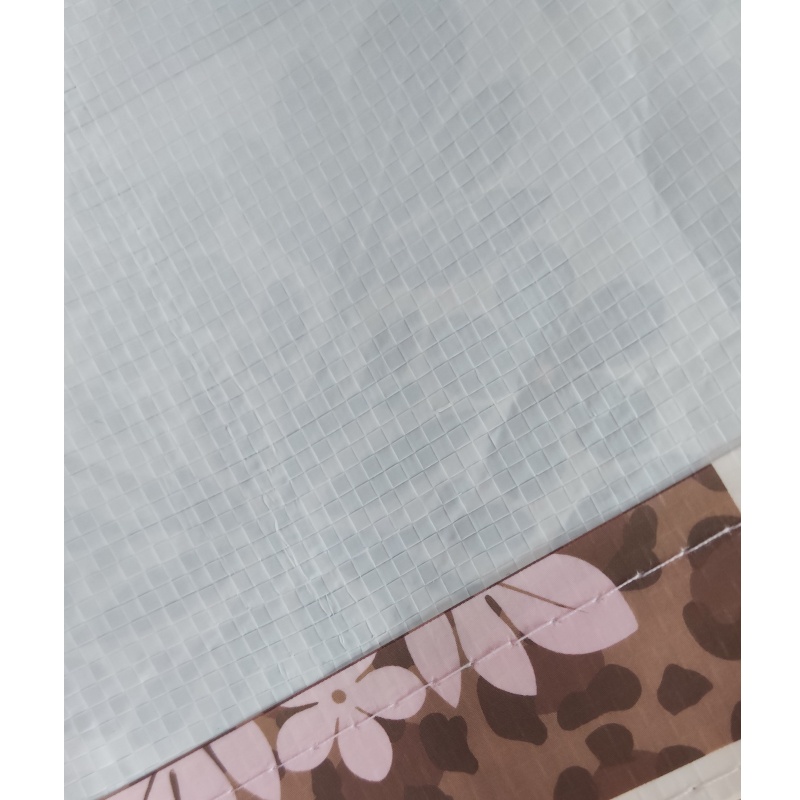
Non woven fabric material differs fundamentally from traditional woven fabrics. Rather than being created by interlacing yarns in a structured pattern, non woven materials are produced by bonding fibers together through mechanical entanglement, thermal bonding, or chemical adhesion. This manufacturing approach creates a fabric with distinct characteristics that benefit custom bag applications.
The fiber bonding process results in a material that is uniformly porous, allowing air to pass through while maintaining structural integrity. This breathability can be an advantage for certain applications, while lamination can add moisture resistance when needed. The absence of woven structure means the material does not fray at cut edges, simplifying manufacturing and creating clean finished edges without additional finishing.
Fiber selection significantly affects material properties. Polypropylene is the most common fiber used for non woven fabric material in bag applications because it offers good strength, chemical resistance, and cost efficiency. Polyester fibers provide enhanced durability and temperature resistance. Recycled fibers from post-consumer sources are increasingly available, supporting sustainability goals while maintaining performance characteristics.
Material Weights and Their Applications
Non woven fabric material is categorized by weight, measured in grams per square meter. Understanding weight specifications helps you select material appropriate for your application.
Lightweight material in the 60 to 80 gram range is suitable for promotional giveaways, event bags, and applications where cost efficiency is the primary consideration. These bags provide adequate strength for light loads and single-use scenarios while maintaining competitive pricing.
Mid-weight material from 80 to 100 grams per square meter is the most common choice for retail shopping bags, trade show giveaways, and general promotional use. This weight range offers a good balance of durability and cost, supporting typical retail loads while maintaining comfortable handling characteristics.
Heavyweight material from 100 to 140 grams per square meter provides enhanced durability for premium applications, grocery bags that will carry heavier loads, and bags designed for repeated use. The increased weight creates a more substantial feel that communicates quality and supports longer product life.
Lamination Options and Their Benefits
Lamination is a critical consideration when working with non woven fabric material. The lamination process applies a thin film layer to one or both sides of the material, adding functionality and enhancing appearance.
Unlaminated material retains the natural texture and breathability of the base fabric. This option is suitable for applications where moisture resistance is not required and where cost minimization is important. Unlaminated bags are commonly used for lightweight promotional items and single-use scenarios.
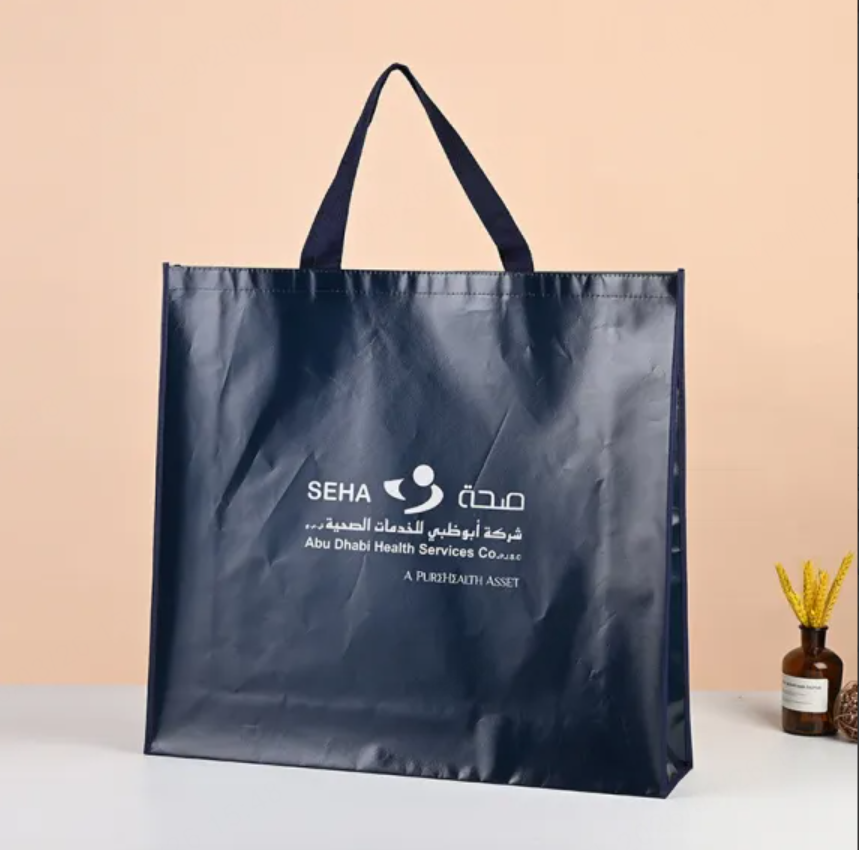
Single-sided lamination applies a film layer to the exterior surface of the bag. This protects printed graphics from moisture, prevents ink from rubbing off during use, and creates a smoother surface that enhances print clarity. Single-sided lamination is the most common choice for retail shopping bags and promotional products where branding visibility is important.
Double-sided lamination applies film layers to both interior and exterior surfaces. This creates a bag that is fully protected from moisture and wear on all surfaces. Double-sided lamination provides a premium feel and extended durability, making it suitable for high-end retail applications, gift bags, and products where the bag itself is part of the brand experience.
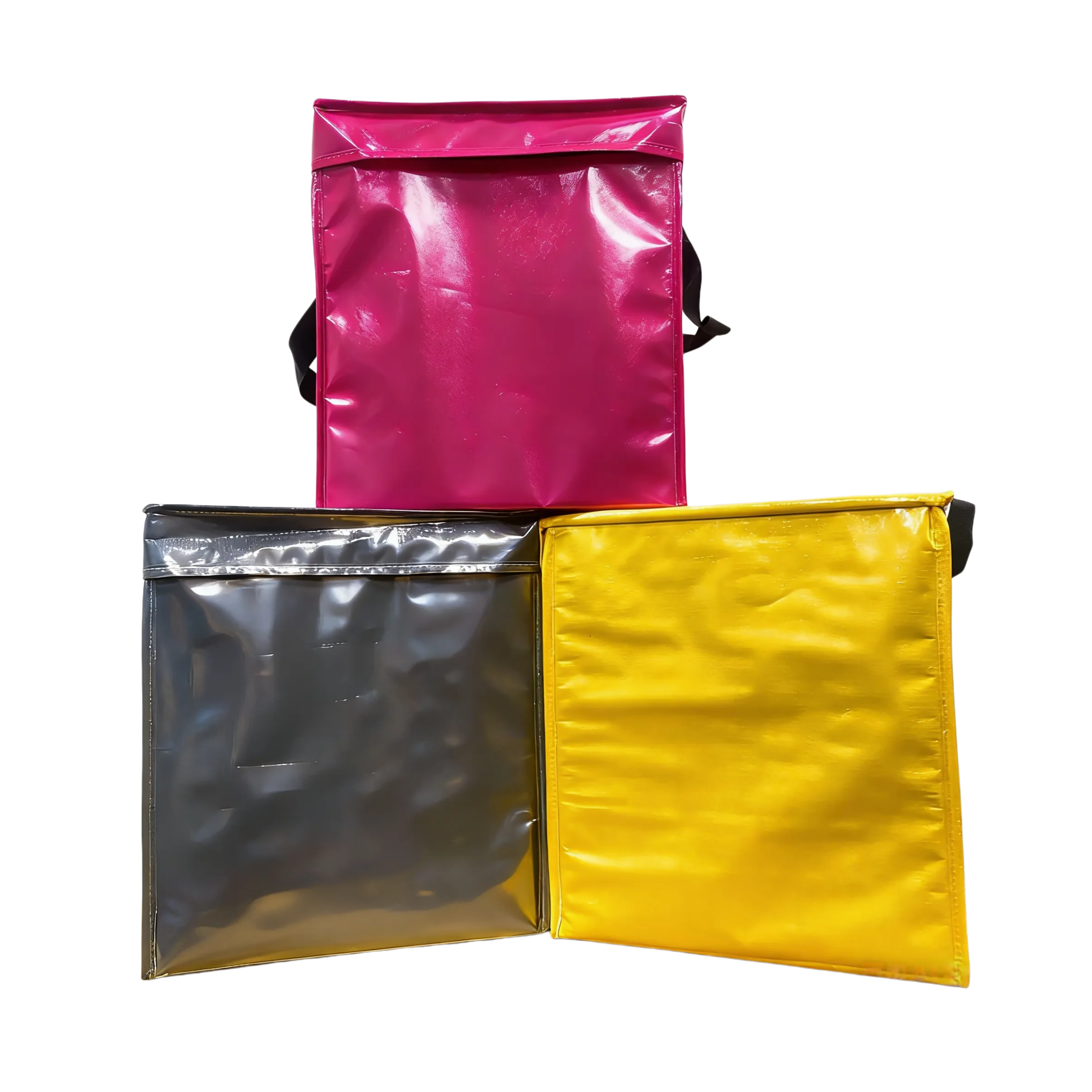
Gloss lamination produces a shiny finish that makes colors appear more vibrant and saturated. This finish is effective for retail displays where visual impact is important. Matte lamination creates a sophisticated, understated appearance that reduces glare and provides a premium feel. Textured lamination adds visual interest and tactile appeal, creating a distinctive look that sets your brand apart.
Printing Methods Compatible With Non Woven Fabric Material
Different printing methods achieve optimal results on non woven fabric material depending on order quantity and design requirements.
Digital printing using HP Indigo or UV printers is ideal for small to medium quantities. This method transfers ink directly to the material surface without requiring plates, eliminating setup costs and allowing fast design updates. Digital printing achieves photographic quality with fine detail and smooth gradients, making it suitable for complex artwork and high-resolution images. The no-minimum-order capability makes digital printing economical for test runs, limited editions, and inventory management.
Gravure printing uses engraved cylinders to transfer ink to the material surface. This method is cost-effective for large quantities because the setup cost is amortized across high volumes. Gravure printing delivers consistent color reproduction across long runs, excellent ink coverage, and precise registration. It is the preferred method for large-scale production where consistency and cost efficiency are priorities.
Screen printing applies ink through a mesh stencil to create bold, opaque graphics. This method is suitable for simpler designs with solid colors and is often used for applications where high ink coverage is desired. Screen printing provides excellent durability and can be combined with other printing methods for specialized effects.
Application Scenarios Across Industries
Non woven fabric material serves diverse industries with different requirements for material performance.
Retail and fashion brands use custom non woven bags as shopping bags that extend brand exposure beyond the store. The material provides sufficient strength for typical retail purchases while offering a canvas for distinctive branding. Laminated options protect graphics during use, ensuring the brand remains visible throughout the bag’s life.
Grocery and supermarket chains utilize non woven fabric material for reusable shopping bags that align with sustainability initiatives. The material’s durability supports repeated use, and its lightweight construction makes it easy for customers to carry. Custom printing allows stores to reinforce brand identity with every use.
Trade shows and corporate events rely on non woven bags as promotional giveaways that provide ongoing marketing exposure. The bags are practical for attendees, keeping your brand visible long after the event concludes. Digital printing capabilities allow event-specific designs to be produced economically.
Food and beverage businesses choose laminated non woven bags for takeout and delivery applications. The lamination provides moisture resistance that protects bags from spills, while the material strength supports the weight of packaged food items. Thermal insulation can be incorporated for temperature-sensitive products.
Pharmaceutical and healthcare applications utilize non woven material for its clean, non-fraying characteristics. The material can be manufactured to meet specific regulatory requirements and is suitable for packaging that requires hygiene considerations.
Our Material Processing Expertise
With over 18 years of experience in the bag industry, we have developed comprehensive expertise in processing non woven fabric material for custom applications. Our facility is equipped to handle material from initial inspection through finished product packaging, ensuring consistent quality at every stage.
We maintain strict quality standards for material selection. Every shipment of non woven fabric material is tested for weight consistency, thickness uniformity, and tensile strength. This ensures that the material we process meets the specifications required for reliable lamination adhesion, consistent printing results, and finished bag durability.
Our manufacturing capabilities include six gravure printing machines, three laminators, five cutting machines, and over eighty sewing machines, allowing us to process material efficiently across all order sizes. For small quantities under 2,000 pieces, our digital printing lines provide flexibility without plate costs. For large orders, our gravure lines deliver consistent quality at competitive pricing.
We offer extensive customization options including various handle styles, structural reinforcements, and accessory additions. Our design team works with your concepts to create mock-up samples that verify material selection and design execution before bulk production begins.
Sustainability Considerations
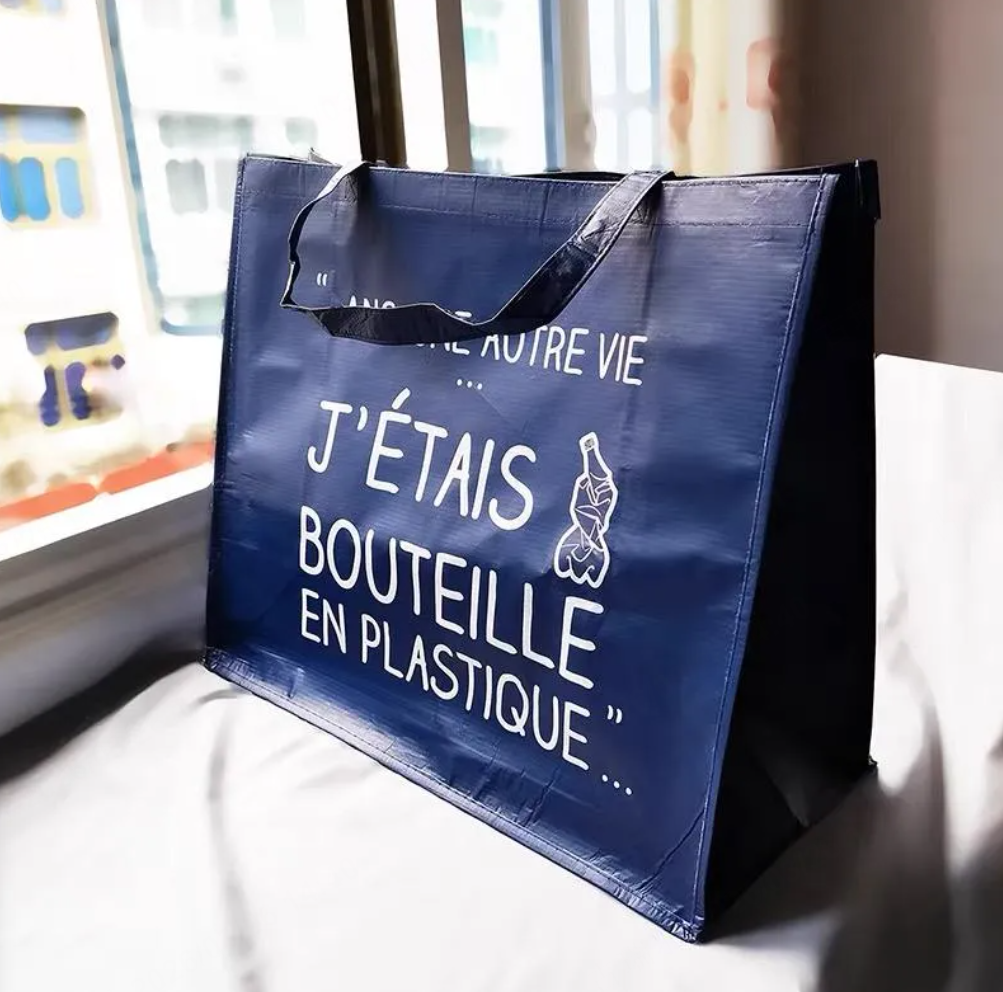
Non woven fabric material can contribute to sustainability goals through both material selection and manufacturing practices. Our RPET options utilize recycled plastic bottles as raw material, diverting waste from landfills and reducing demand for virgin resources. These recycled materials perform comparably to virgin materials in terms of strength, printability, and durability.
Digital printing reduces waste by eliminating plate materials and enabling precise order quantities. Clients can order exactly what they need without committing to minimum quantities that may result in excess inventory. This precision ordering reduces waste and supports lean inventory practices.
The durability of non woven fabric material means that finished bags can be reused multiple times, reducing the overall environmental impact compared to single-use alternatives. When laminated properly, these bags maintain their appearance and structural integrity through repeated use.
 EN
EN
 ONLINE