Bulk Reusable Canvas Bags and RPET Alternatives for Large Programs

Sooner Service For You 7*24 Hours

All Categories

Bulk Reusable Canvas Bags for Sustainable Bulk Programs

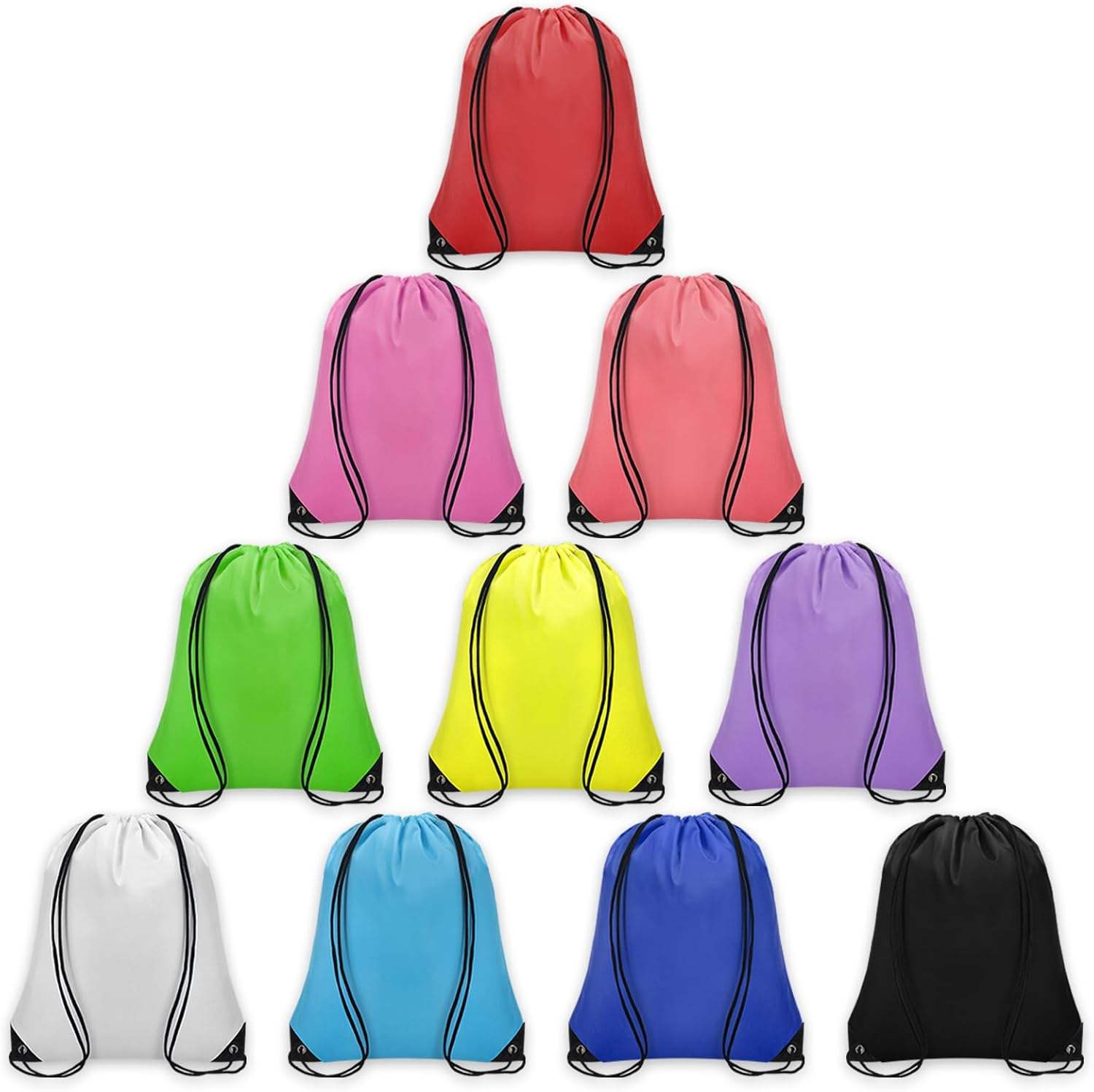
Bulk reusable canvas bags offer a natural, durable option for large-scale promotional campaigns and retail programs. However, for brands seeking lighter weight, better moisture resistance, and a stronger sustainability story, RPET presents a compelling alternative. With over 18 years of manufacturing experience, we produce both canvas and RPET bags in bulk quantities, helping you choose the right material for your program. Our advanced production capabilities—six gravure printing machines, over eighty sewing machines—enable fast turnaround and consistent quality for bulk orders of 5,000 to 500,000 bags.
Get A Quote

Why Bulk Reusable Canvas Bags (and RPET Alternatives) Make Sense

Canvas has long been a popular choice for reusable bags due to its natural fibers and classic appearance. However, for large-scale bulk programs, factors like weight, moisture resistance, and sustainability impact become critical considerations. While canvas offers a traditional look, RPET—made from recycled plastic bottles—provides comparable durability at a lighter weight, with better water resistance and a stronger circular economy story. Our expertise in both materials allows us to guide you toward the best choice for your specific bulk program, balancing cost, performance, and environmental messaging.

Natural Aesthetic and Feel

Canvas bags have a classic, natural look that appeals to certain brands and demographics. The material softens with use, developing a comfortable feel. For programs where a traditional, organic appearance is essential, canvas remains a viable option.

Lightweight RPET Alternative

Canvas is significantly heavier than RPET, increasing shipping costs and making bags less convenient for customers to carry. RPET offers comparable durability at a fraction of the weight, reducing transportation emissions and improving user experience.

Moisture Resistance Comparison

Canvas absorbs moisture, becoming heavy and prone to mildew. RPET naturally repels water, protecting contents and maintaining appearance. For grocery, beach, or outdoor applications, RPET’s moisture resistance is a clear advantage.

Stronger Sustainability Story

While cotton canvas requires substantial water and land resources to produce, RPET diverts plastic waste from landfills and oceans. For brands seeking maximum environmental impact, RPET’s circular economy narrative often resonates more strongly with eco-conscious consumers.

Bulk Reusable Canvas and RPET Bags for Large Programs

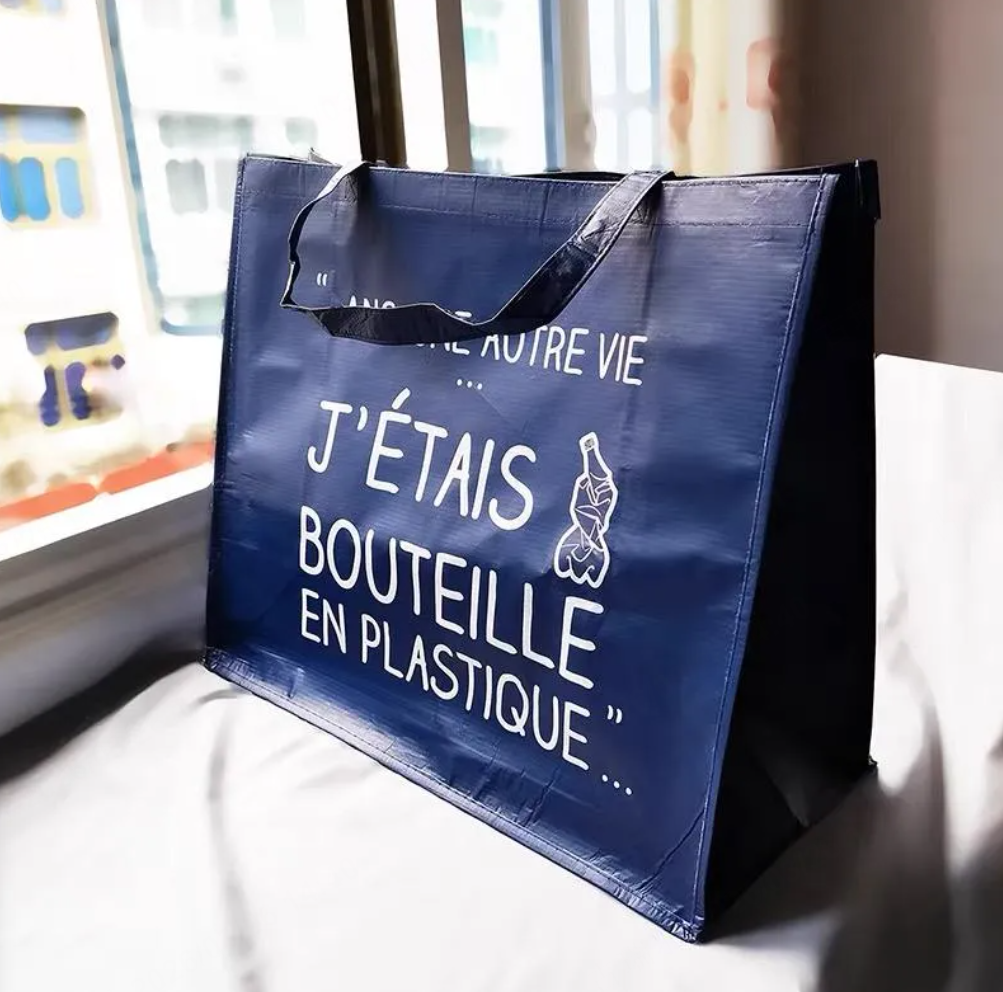
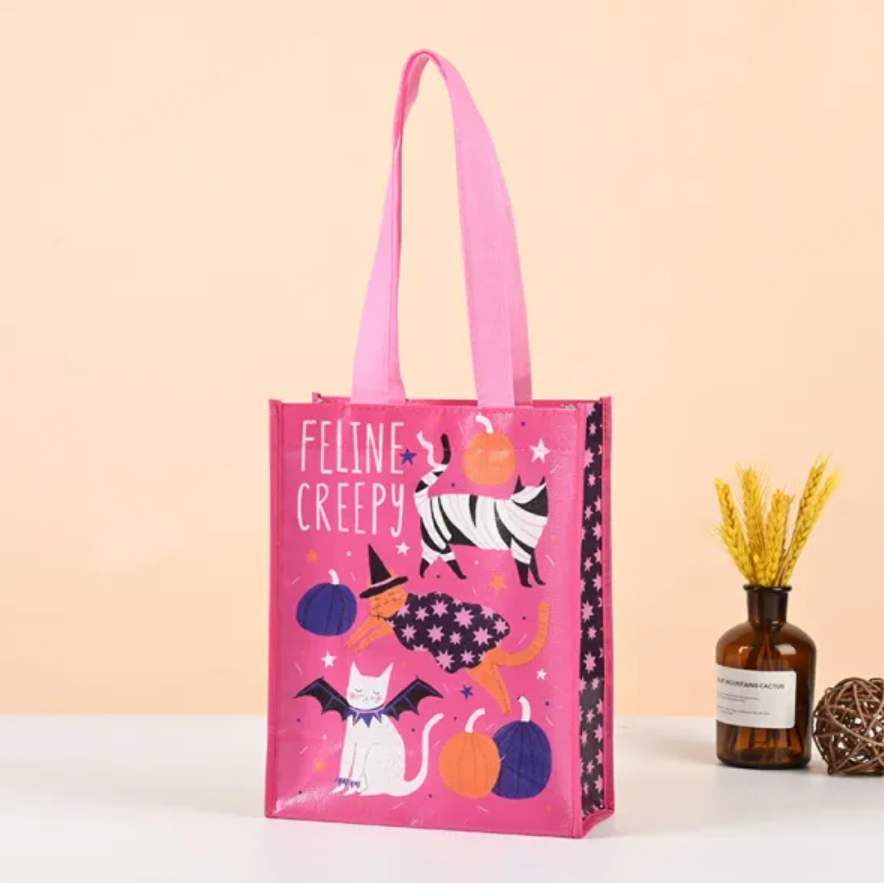
Our bulk reusable bags are available in both canvas and RPET materials. Canvas bags are crafted from 100 percent natural cotton, available in weights from 170 to 340 grams per square meter, with natural or dyed colors. RPET bags are made from recycled plastic bottles, available in 80 to 140 grams per square meter, offering lighter weight and moisture resistance. Standard dimensions include popular tote sizes such as 40 by 40 centimeters and 45 by 35 by 15 centimeters. Printing options include screen printing for canvas and gravure or digital printing for RPET. For bulk orders, we recommend gravure printing for consistent, vibrant colors across all bags. Finishes include natural, gloss, or matte. Additional features such as bottom inserts, pockets, and zipper closures are available. Every bag undergoes 100 percent inspection to guarantee quality consistency.

Bulk Reusable Bags: Canvas vs. RPET for Large-Scale Programs

When planning a bulk reusable bag program, material selection is one of the most important decisions you will make. Canvas has traditionally been a popular choice, offering a natural aesthetic and perceived durability. However, newer materials like RPET—made from recycled plastic bottles—offer compelling advantages for large-scale distribution. Understanding the trade-offs between these materials helps you make an informed decision that balances cost, performance, and environmental impact.

Canvas Bags: The Traditional Choice

Canvas bags are made from cotton, a natural fiber that has been used for centuries. The material is strong, breathable, and has a classic look that many consumers associate with quality and sustainability.

Advantages of Canvas
The natural aesthetic of canvas appeals to brands seeking an organic, traditional appearance. The material softens with use, becoming more comfortable over time. Canvas is biodegradable under the right conditions, which appeals to some environmentally focused consumers.

Disadvantages of Canvas
Canvas is significantly heavier than synthetic alternatives. A typical canvas tote weighs two to three times more than an RPET bag of similar size, increasing shipping costs and making bags less convenient for customers to carry. Canvas absorbs moisture, becoming heavy and prone to mildew if not dried properly. The production of cotton requires substantial water, land, and pesticide inputs, with a single cotton tote requiring thousands of liters of water to produce. For large-scale bulk programs, these factors can significantly impact both cost and environmental footprint.

RPET Bags: The Modern Sustainable Choice

RPET (recycled polyethylene terephthalate) is made from post-consumer plastic bottles. The bottles are collected, cleaned, shredded, melted, and extruded into fibers that are then woven into fabric. This closed-loop process diverts waste from landfills and reduces reliance on virgin petroleum-based materials.

Advantages of RPET
RPET fabric is lightweight—typically 80 to 140 grams per square meter compared to 170 to 340 grams for canvas. This weight reduction lowers shipping costs and makes bags more comfortable for customers to carry. RPET naturally repels moisture, protecting contents from rain or condensation and preventing mildew. The material dries quickly and resists staining. The sustainability story of RPET is compelling: each bag represents plastic bottles that were recycled instead of discarded, directly addressing the plastic waste crisis.

Disadvantages of RPET
RPET does not have the same natural, organic feel as canvas. While the material is soft and fabric-like, it does not develop the same patina over time. Some consumers may perceive synthetic materials as less eco-friendly than natural fibers, though this perception is changing as awareness of plastic waste grows.

Head-to-Head Comparison for Bulk Programs

For large-scale bulk programs, several factors favor RPET:

Shipping Costs
Because RPET is significantly lighter than canvas, shipping a container of RPET bags costs less than shipping the same quantity of canvas bags. For bulk orders of 50,000 bags or more, the shipping savings alone can be substantial.

Customer Convenience
Lightweight bags are more likely to be carried and reused. A heavy canvas tote may be left in the car or at home, while a lightweight RPET tote can be folded into a purse or pocket. Higher reuse rates mean more brand impressions.

Environmental Impact
While canvas is natural, its production requires substantial resources. A single cotton tote may need to be used thousands of times to offset its production footprint. RPET, by contrast, directly addresses plastic waste and typically has a lower overall environmental impact, especially when considering water usage and carbon emissions.

Moisture Resilience
Canvas bags become heavy and can mildew when wet. RPET bags repel moisture and dry quickly, making them suitable for grocery, beach, and outdoor applications. This versatility increases the likelihood of reuse.

Applications for Bulk Canvas Programs

Despite RPET’s advantages, canvas remains appropriate for certain applications:

Premium Gift Programs
For high-end corporate gifts where a natural, artisanal feel is desired, canvas can convey a sense of quality and craftsmanship.

Heritage and Organic Brands
Brands positioned around natural, organic, or heritage values may prefer canvas to align with their aesthetic.

Artisan and Craft Markets
For products sold at artisan markets or craft fairs, canvas bags can complement the handmade nature of the merchandise.

Why RPET Is Often the Better Bulk Choice

For most large-scale promotional, retail, and corporate programs, RPET offers superior value:

Cost Efficiency
Lower material weight reduces shipping costs. Lower water and energy inputs in production can translate to competitive pricing. For bulk orders, these savings add up quickly.

Brand Versatility
RPET accepts high-quality printing, allowing your logo and message to be reproduced with sharp detail and vibrant color. Gloss, matte, and metallic finishes are available to match your brand aesthetic.

Stronger Environmental Message
Today’s consumers are acutely aware of plastic pollution. A bag made from recycled bottles tells a clear, compelling story that resonates with eco-conscious shoppers. This narrative can be a powerful differentiator for your brand.

Our Bulk Production Capabilities

Regardless of whether you choose canvas or RPET, our facility is equipped to handle large-scale production:

Six Gravure Printing Machines
For bulk orders, gravure printing ensures consistent, vibrant colors across every bag. We can handle runs of 5,000 to 500,000 bags efficiently.

Over Eighty Sewing Machines
Our sewing floor operates with dozens of stations, each staffed by experienced operators. This capacity allows us to assemble thousands of bags per day while maintaining quality consistency.

100 Percent Inspection
Every bag in your bulk order undergoes final inspection to verify printing accuracy, stitching integrity, handle security, and overall construction. For canvas bags, we pay particular attention to seam strength and handle attachment.

Fast Turnaround
For quantities under 10,000 pieces, delivery is typically within 5 working days after mock-up approval. For orders between 10,000 and 20,000 pieces, delivery is within 8 working days. For orders exceeding 20,000 pieces, we provide a customized production schedule.

Why Choose Us for Your Bulk Bag Program

With over 18 years of experience, we help clients navigate material choices for large-scale programs. We provide samples of both canvas and RPET for comparison, share data on weight and shipping costs, and offer guidance on which material best aligns with your brand values and budget.

Our 7×24 customer support ensures responsive communication throughout the production process. From initial material consultation to final delivery, our team is ready to assist.

Frequently Asked Questions About Bulk Reusable Canvas and RPET Bags

Which is more eco-friendly: canvas or RPET?

The answer depends on how you define eco-friendly. Canvas is natural and biodegradable but requires substantial water, land, and energy to produce—a single cotton tote may need thousands of uses to offset its production footprint. RPET is made from recycled plastic bottles, directly diverting waste from landfills and oceans. It requires less water and energy to produce than virgin polyester. For most large-scale programs, RPET offers a stronger immediate environmental impact story.
Canvas and RPET offer comparable tensile strength when produced at appropriate weights. A 240 gram canvas bag and a 120 gram RPET bag have similar load-bearing capacity. However, RPET is significantly lighter, making it more convenient for customers to carry. Canvas can be prone to stretching when wet, while RPET maintains its shape.
Yes. Canvas accepts screen printing well, which is cost-effective for simple, single-color logos. RPET accepts gravure printing for full-color, photographic-quality designs. For bulk orders with complex artwork, RPET typically offers better print quality and color consistency.

Related Articles

promotional exhibition bags: Custom Promotional Exhibition Bags: Maximizing Brand Exposure

10

Apr

promotional exhibition bags: Custom Promotional Exhibition Bags: Maximizing Brand Exposure

Trade shows are one of the most crucial marketing platforms for B2B businesses, offering unique opportunities to connect with potential customers, build relationships, and enhance brand visibility. However, the costs involved in participating—s...
View More
non woven raw material: Non Woven Raw Material Price Volatility: Strategies for B2B Packaging Enterprises to Tackle Cost Challenges

10

Apr

non woven raw material: Non Woven Raw Material Price Volatility: Strategies for B2B Packaging Enterprises to Tackle Cost Challenges

Introduction: Facing the Roller Coaster Market – Survival Challenges for Nonwoven Packaging Enterprises The global market for nonwoven raw materials, particularly polypropylene (PP) and polyethylene (PE) based substrates, is undergoing signific...
View More
B2B Accessory Upgrade: How custom strap Defines High-End Brand Details

10

Apr

B2B Accessory Upgrade: How custom strap Defines High-End Brand Details

In today’s fast-paced B2B market, standing out has become increasingly difficult, especially when core products often become indistinguishable from competitors’. The pressure to differentiate your brand is real, and it’s in the subt...
View More
Exhibition Marketing Tool: How pp woven bag suppliers Becomes a Mobile Billboard for B2B Client Attraction?

10

Mar

Exhibition Marketing Tool: How pp woven bag suppliers Becomes a Mobile Billboard for B2B Client Attraction?

Your "Advertising Space" at Trade Shows: Have You Missed It? Every year, B2B businesses invest heavily in attending trade shows, with significant resources directed towards booth designs, product displays, and staff training. These elements are essen...
View More

What Our Clients Say About Our Bulk Bag Programs

Jennifer Lewis

“We initially considered canvas for our bulk shopping bag program, but after comparing weight and shipping costs, we chose RPET. The bags are lighter, more moisture-resistant, and the recycled bottle story resonates with our customers. The bulk pricing was excellent, and quality was consistent across all 50,000 bags.”

Michael Thompson

“Our organization’s brand is built around natural, organic values, so we chose canvas for our bulk tote program. The natural look aligns perfectly with our message. The bags are well-made, and the screen printing captured our logo beautifully. A great partnership.”

Sarah Williams

“We ran a national sustainability campaign and needed 100,000 reusable bags. After comparing canvas and RPET, we chose RPET for its lighter weight and stronger environmental story. The bulk production was efficient, and the bags arrived on time. The recycled bottle message has been a hit with our audience.”

Get a Free Quote

Our representative will contact you soon.
Email
Name
Company Name
Message
0/1000
Lightweight Design Reduces Shipping Costs

Lightweight Design Reduces Shipping Costs

Canvas is heavy—typically 170 to 340 grams per square meter. RPET is significantly lighter at 80 to 140 grams per square meter. For bulk orders of 50,000 bags or more, this weight difference translates into substantial shipping savings. Lighter bags are also more convenient for customers to carry and more likely to be reused, generating more brand impressions over time.
Moisture Resistance for Everyday Use

Moisture Resistance for Everyday Use

Canvas absorbs moisture, becoming heavy and prone to mildew. RPET naturally repels water, protecting contents from rain, spills, and condensation. This moisture resistance makes RPET bags suitable for grocery shopping, beach trips, and outdoor events—expanding the range of use cases and increasing reuse frequency.
Stronger Circular Economy Story

Stronger Circular Economy Story

Canvas production requires significant water, land, and energy resources. RPET directly addresses the plastic waste crisis by turning discarded bottles into useful products. For brands seeking maximum environmental impact, the recycled bottle narrative resonates strongly with eco-conscious consumers, differentiating your brand in a crowded market.
Superior Print Quality for Bold Branding

Superior Print Quality for Bold Branding

Canvas is best suited for screen printing, which works well for simple, single-color logos. RPET accepts gravure printing, enabling full-color, photographic-quality designs with fine details and gradients. For complex artwork or multi-color logos, RPET delivers sharper, more vibrant results that capture attention and reinforce brand identity.
onlineONLINE