Elevate Your Brand with Custom Jute Bags
In an era where environmental consciousness drives consumer purchasing decisions, jute bags have emerged as the premier sustainable packaging solution for forward-thinking companies. This versatile natural material combines rustic aesthetic appeal with exceptional durability, making it ideal for businesses across retail, promotional, and corporate sectors seeking packaging that communicates values while serving practical functions.
The resurgence of jute as a packaging material reflects broader shifts in market preferences. Unlike synthetic alternatives derived from petroleum products, jute fibers offer biodegradability and renewability that align with circular economy principles. For procurement professionals evaluating packaging vendors, understanding the full spectrum of jute bag applications and manufacturing capabilities proves essential for making informed sourcing decisions.
Understanding Jute: The Golden Fiber
Jute, often called the "golden fiber" due to its natural luster and coloration, represents one of the most sustainable textile crops globally. Harvested from the Corchorus plant species, jute grows rapidly without requiring extensive pesticide application or irrigation compared to cotton cultivation. This inherent sustainability makes jute bags particularly attractive for brands emphasizing environmental stewardship in their messaging.
The fiber's physical properties contribute significantly to its packaging utility. Jute possesses high tensile strength, enabling jute tote bags to carry substantial weight despite their lightweight construction. The material's breathability prevents moisture accumulation, proving advantageous for storing textiles, agricultural products, and various retail merchandise. Additionally, jute's natural texture provides excellent printing surfaces, allowing vibrant logo reproduction and intricate design implementation.
Diverse Applications Across Industries
The adaptability of jute bags spans numerous commercial contexts, each leveraging specific material characteristics to achieve functional and marketing objectives.
Retail and Shopping Applications
Modern retailers increasingly adopt jute bags as reusable shopping alternatives to single-use plastic. Supermarkets and boutique stores alike distribute custom-printed jute tote bags that customers reuse repeatedly, generating ongoing brand impressions long after initial purchase. The material's durability supports repeated use cycles, with quality jute bags typically lasting several years under normal conditions.
High-end retail establishments particularly favor jute handbags for premium packaging applications. The natural fiber's organic aesthetic conveys artisanal quality and environmental consciousness that resonates with luxury consumers. Fashion brands utilize customized jute bags for apparel packaging, creating unboxing experiences that reinforce brand positioning while demonstrating commitment to sustainable practices.
Promotional and Marketing Deployments
Corporate marketing teams recognize jute bags as powerful promotional vehicles. Trade show exhibitors distribute branded jute tote bags containing brochures, samples, and promotional materials, ensuring recipients carry company logos throughout event venues and beyond. The perceived value of reusable jute bags exceeds that of disposable alternatives, increasing likelihood of retention and subsequent usage.
Product launch campaigns leverage custom jute bags as gift-with-purchase incentives or standalone promotional items. The substantial printable surface area accommodates bold graphics and comprehensive messaging, transforming each bag into mobile advertising that extends campaign reach exponentially compared to traditional media channels.
Events and Hospitality Sector
Conference organizers and hospitality providers utilize jute bags for welcome kits, amenity packaging, and souvenir distribution. Hotels present arriving guests with jute handbags containing local guides, toiletries, and welcome gifts, immediately establishing premium service expectations while demonstrating environmental responsibility.
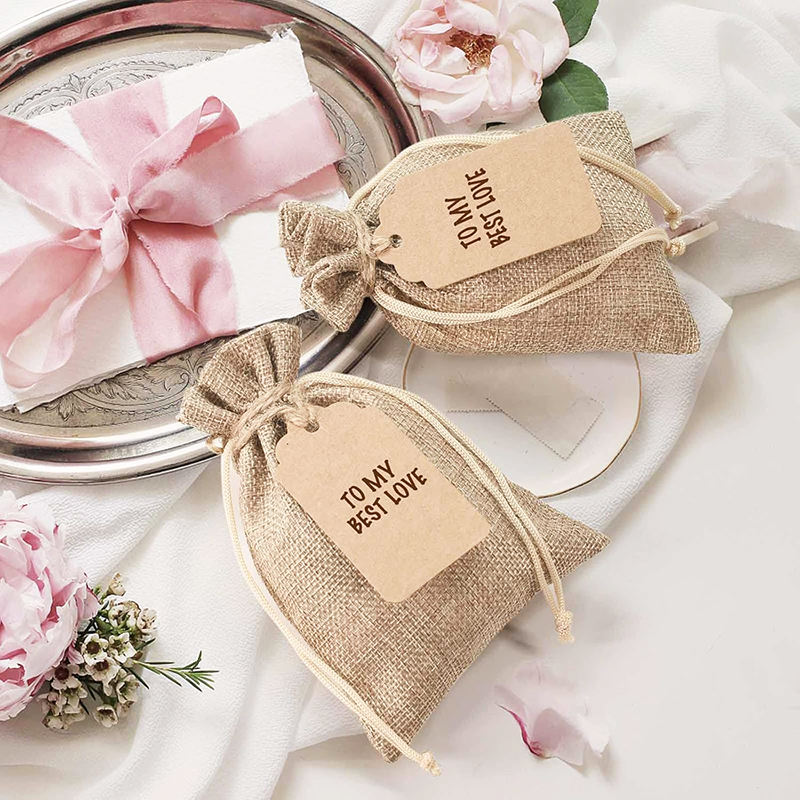
Wedding planners and event coordinators specify custom jute bags for favor packaging and guest welcome packages. The material's natural elegance complements rustic, bohemian, and eco-themed events while providing guests with practical takeaways that preserve celebration memories through continued utility.
Food and Agricultural Packaging
Coffee roasters, specialty food producers, and agricultural suppliers appreciate jute's breathability and moisture management properties for product storage and transportation. Jute drawstring bags protect contents from light exposure while allowing air circulation that prevents spoilage. The food-safe characteristics of properly processed jute make it suitable for direct contact with dry goods including coffee beans, nuts, and grains.
Manufacturing Excellence and Customization Capabilities
Achieving optimal results with jute bag procurement requires partnering with manufacturers possessing comprehensive technical capabilities and quality management systems. Production infrastructure significantly impacts achievable customization levels, order fulfillment timelines, and consistent quality maintenance.
Material Selection and Preparation
Quality jute bags begin with proper fiber selection and processing. Experienced manufacturers source jute from established agricultural regions, evaluating fiber grades based on length, strength, and color consistency. Secondary processing including spinning, weaving, and lamination transforms raw fibers into durable bag materials suitable for commercial applications.
For applications requiring enhanced durability or specific aesthetic characteristics, manufacturers often blend jute with complementary materials. Polyester reinforcements strengthen stress points, while laminated coatings provide water resistance and improved printability. These material engineering options expand application possibilities while maintaining primary environmental benefits.
Printing and Decoration Techniques
Visual customization transforms standard jute bags into distinctive brand assets. Multiple printing technologies accommodate different order quantities and design requirements:
Screen printing delivers vibrant, opaque colors ideal for bold logos and graphics on jute handbags and tote bags. This technique proves cost-effective for medium-volume orders and produces durable finishes resistant to abrasion and washing.
Digital printing technologies including UV and HP Indigo systems enable photorealistic reproduction and unlimited color matching without plate preparation costs. These methods particularly benefit small-batch orders and designs requiring frequent updates or personalization.
Gravure printing provides premium quality for high-volume production, delivering exceptional color consistency and fine detail reproduction across large quantities. Though requiring higher initial setup investment, per-unit economics favor this method for substantial wholesale orders.
Additional decoration options encompass embroidery, woven labels, hangtags, and custom hardware including grommets, magnetic closures, and specialty zipper pulls. These finishing touches elevate perceived value and functional utility.
Structural Customization
Beyond surface decoration, comprehensive customization extends to bag architecture and functional features. Specification options typically include:
Dimensional tailoring ensures bags match intended contents precisely, whether accommodating wine bottles, clothing items, or promotional materials. Gusset configurations affect standing stability and internal volume, with options ranging from flat-bottom constructions to expandable side panels.
Handle selection significantly impacts both aesthetics and carrying comfort. Choices span self-material handles matching bag bodies, cotton webbing for softness, PP webbing for strength, and rope handles for rustic styling. Handle attachment methods and reinforcement strategies determine weight capacity and longevity.
Functional enhancements transform basic jute bags into specialized solutions. Interior pockets organize contents, zipper closures secure valuables, and bottom inserts provide structural support for heavy loads. These additions address specific use case requirements while differentiating products from commodity alternatives.
Quality Assurance Protocols
Reliable jute bag manufacturing requires systematic quality control throughout production workflows. Comprehensive inspection programs typically encompass:
Incoming material verification confirms jute fiber specifications meet standards for strength, color consistency, and absence of contaminants. Established suppliers provide batch documentation supporting traceability and compliance claims.
In-process monitoring identifies deviations during cutting, sewing, and assembly operations. Statistical sampling methods detect trends enabling corrective action before substantial quantities accumulate defects.
Final inspection evaluates finished products against approved samples and specification sheets. Critical parameters include dimensional accuracy, stitching integrity, print quality, and hardware functionality. Packaging protocols protect products during transportation to customer destinations.
Certification to internationally recognized standards including BSCI, ISO 9001, and environmental compliance programs provides external validation of quality management system effectiveness.
Procurement Considerations and Partnership Selection
Evaluating potential jute bag suppliers requires assessing multiple factors beyond unit pricing. Sustainable procurement relationships develop through careful vendor qualification considering:
Production Capacity Alignment
Manufacturing infrastructure must accommodate your typical order volumes and delivery requirements. Facilities equipped for both digital and conventional printing offer flexibility for diverse project needs. Capacity availability affects lead times and ability to respond to urgent requirements.
Communication and Service Quality
Responsive customer service proves essential for managing custom orders involving multiple specification decisions and potential design iterations. Clear communication channels, technical consultation availability, and project management support streamline procurement processes.
Sampling and Prototyping Capabilities
Physical samples enable evaluation of material quality, construction methods, and print accuracy before committing to production quantities. Manufacturers offering complimentary or low-cost sampling demonstrate confidence in their capabilities while reducing customer risk.
Logistics and Delivery Performance
Reliable delivery scheduling supports inventory planning and promotional campaign timing. Understanding shipping options including air freight for urgent orders versus ocean freight for cost optimization enables appropriate mode selection based on project priorities.
The Future of Sustainable Packaging
As environmental regulations tighten and consumer preferences continue shifting toward sustainable alternatives, jute bags position themselves as enduring packaging solutions rather than temporary trends. Forward-thinking procurement strategies incorporate these materials into long-term packaging programs, building brand associations with environmental responsibility while meeting practical functional requirements.
The versatility demonstrated across retail, promotional, hospitality, and agricultural applications suggests continued market expansion for quality jute bag solutions. Companies establishing supplier relationships with experienced manufacturers today position themselves advantageously for evolving market demands.
 EN
EN

 ONLINE