PP Fabric: Material Properties and Processing for Custom Bag Manufacturing
PP fabric, commonly known as polypropylene fabric, has become a preferred material for custom bag applications because of its unique combination of properties. Understanding the material’s characteristics, processing options, and performance factors helps you make informed decisions that affect finished product quality, durability, and cost.
The Structure of PP Fabric
PP fabric is fundamentally different from non-woven materials in its construction. While non-woven fabrics are created by bonding fibers together, PP fabric is woven from polypropylene tapes. This manufacturing process creates a material with distinct properties that benefit bag applications.
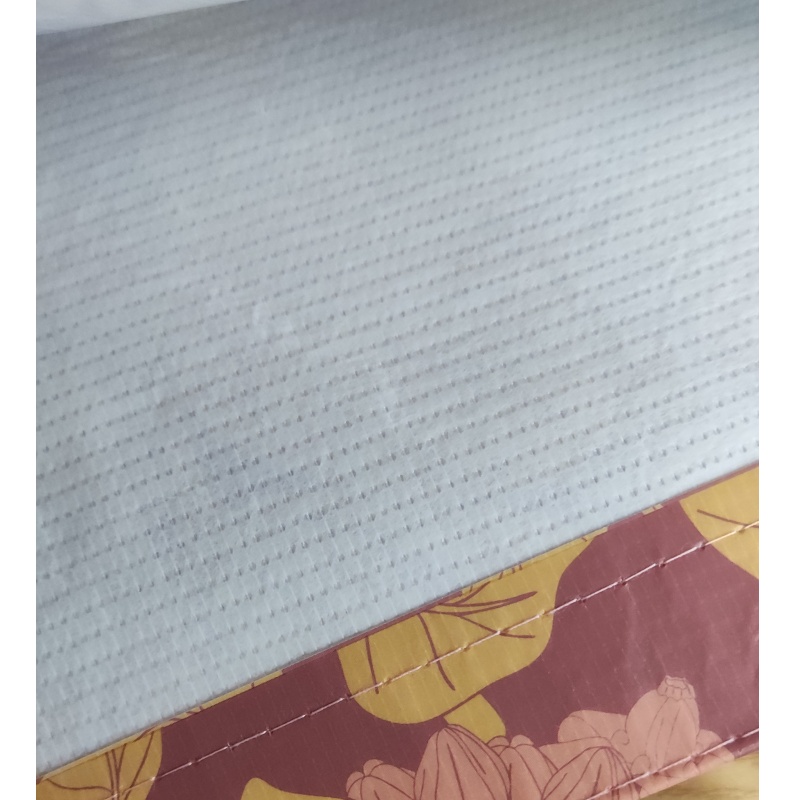
The production process begins with polypropylene resin, which is extruded into flat tapes. These tapes are then stretched to orient the polymer molecules, increasing strength and creating consistent width. The oriented tapes are woven on specialized looms, interlacing warp and weft tapes to create a stable, grid-like fabric.
The woven structure creates a material that distributes stress evenly across its surface. When load is applied, the interlaced tapes share the stress, preventing concentration at any single point. This property gives PP fabric exceptional tear resistance—even if a tape is cut, the surrounding structure contains the damage, preventing catastrophic failure.
Physical Properties That Matter for Bags
Tensile Strength
Tensile strength measures the material’s resistance to breaking under tension. For bag applications, this property is critical because bags experience tension when loaded and carried. PP fabric exhibits high tensile strength in both machine direction (along the length) and cross direction (across the width), providing balanced performance regardless of orientation.
The tensile strength varies with material weight. Lighter fabrics in the 80 to 100 gram range provide adequate strength for promotional and light retail applications. Mid-weight fabrics from 100 to 120 grams offer excellent strength for supermarket shopping and general retail use. Heavier fabrics from 120 to 140 grams deliver enhanced strength for premium applications and heavy-duty use.
Tear Resistance
Tear resistance measures how easily the material propagates tears once damaged. This property is particularly important for bags that may encounter sharp objects or rough handling. The woven structure of PP fabric provides excellent tear resistance because the interlaced tapes distribute stress away from damaged areas, preventing tear propagation.
Dimensional Stability
Dimensional stability refers to the material’s ability to maintain its shape under load and during processing. PP fabric exhibits excellent dimensional stability, meaning bags retain their intended dimensions even when carrying heavy contents. This stability also benefits manufacturing, as the material maintains consistent dimensions during printing, lamination, and finishing operations.
Moisture Resistance
Polypropylene is inherently moisture resistant, meaning PP fabric does not absorb water. This property prevents bags from becoming soggy or weakened when exposed to moisture. Lamination adds additional moisture protection, creating a barrier that repels water and prevents staining.
Processing PP Fabric for Custom Bags
The journey from PP fabric to finished custom bag involves several processing steps, each affecting final product quality and performance.
Raw Material Inspection
Quality begins with raw material inspection. Every shipment of PP fabric undergoes testing for weight consistency, tensile strength, and weave uniformity. We verify that the material meets specifications for lamination adhesion and printing compatibility before processing begins.
Lamination
Lamination applies a thin polypropylene film layer to one or both sides of the fabric. This process adds several benefits:
Single-sided lamination applies film to the exterior surface only, protecting printed graphics and providing moisture resistance while maintaining some of the fabric’s natural texture. This option is cost-effective and suitable for many retail and promotional applications.
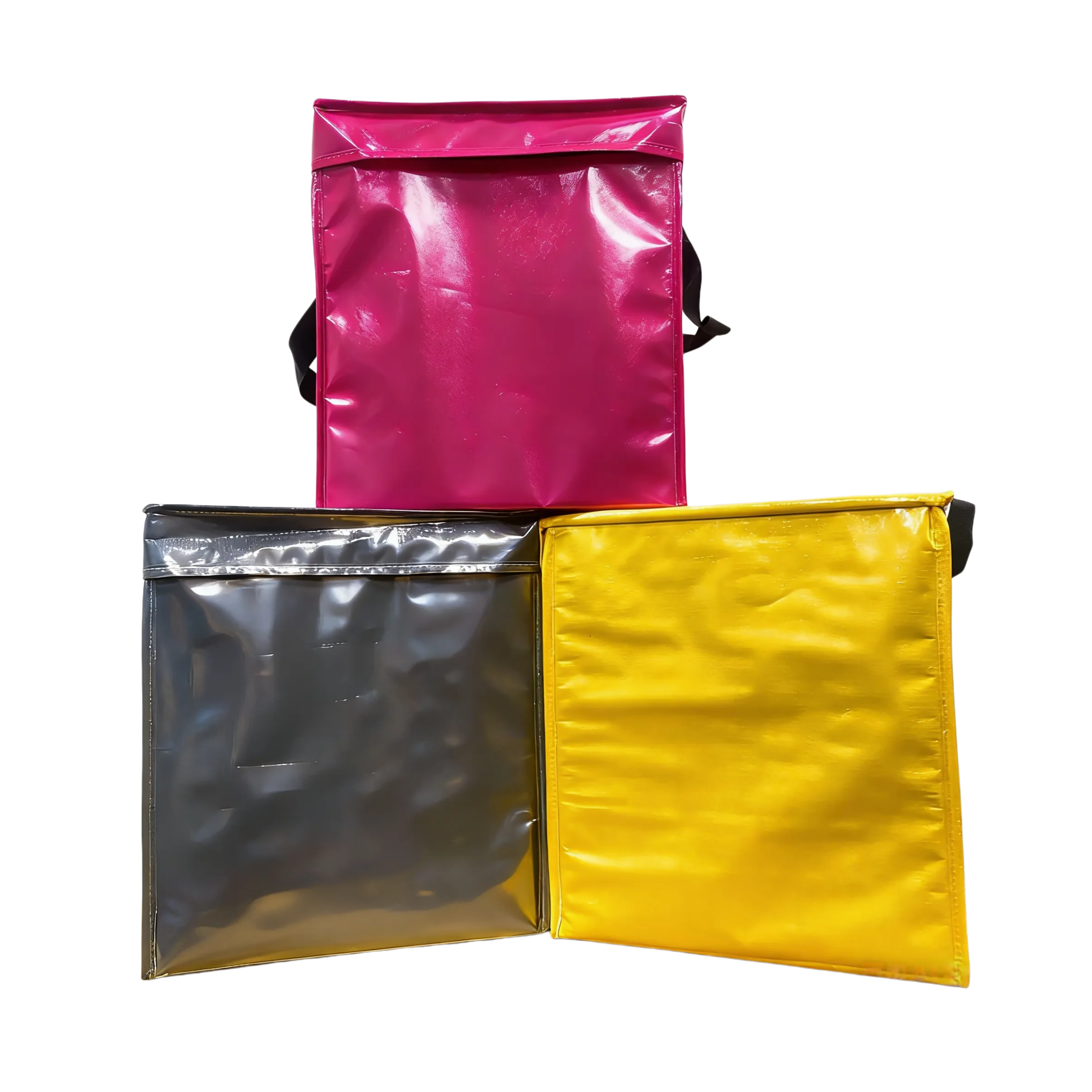
Double-sided lamination applies film to both interior and exterior surfaces, creating a bag that is fully protected from moisture and wear. This option provides premium feel and extended durability, making it suitable for high-end retail and applications where the bag will be used repeatedly.
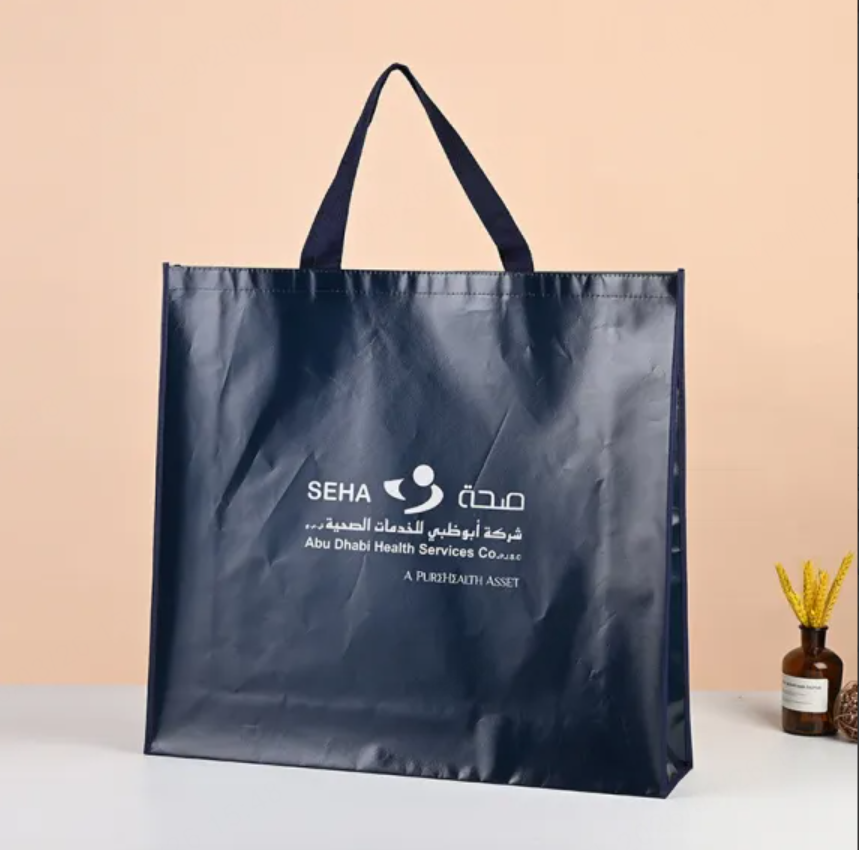
Lamination finishes include gloss for vibrant, eye-catching appearance; matte for sophisticated, understated presentation; metallic for distinctive visual impact; and textured finishes for added visual and tactile interest.
Printing
Printing applies graphics, logos, and text to the laminated surface. The choice of printing method depends on order quantity, design complexity, and budget.
Digital printing using HP Indigo technology delivers photographic quality graphics with fine detail and smooth gradients. This method is ideal for small to medium quantities under 2,000 pieces, offering no plate costs and fast turnaround times. Digital printing on laminated PP fabric achieves exceptional color accuracy, making it suitable for designs with gradients, photographs, and complex artwork.
Gravure printing uses engraved cylinders to transfer ink to the material surface. This method is cost-effective for large quantities exceeding 2,000 pieces because the setup cost is amortized across high volumes. Gravure printing delivers consistent color reproduction across long runs, excellent ink coverage, and precise registration.
Cutting and Sewing
Cutting and sewing transform laminated and printed fabric into finished bags. Our cutting machines precisely cut fabric to specified dimensions, while over eighty sewing machines assemble components with consistent stitching quality.
Critical quality considerations during sewing include handle attachment strength, seam reinforcement, and dimensional accuracy. Handle attachments must be secure enough to support the intended load without separation. Seams at stress points such as bottom corners should be reinforced to prevent failure. Finished dimensions must match specifications to ensure proper fit for intended use.
Finishing and Quality Inspection
Finishing operations include attaching additional components such as zippers, pockets, or inserts. Final quality inspection verifies every bag meets specifications before packaging.
Our 100 percent inspection process checks printing accuracy, lamination integrity, stitching quality, handle security, and finished dimensions. Bags that pass inspection are packaged according to client specifications and prepared for shipment.
Comparing PP Fabric to Other Materials
Understanding how PP fabric compares to alternative materials helps you select the right option for your application.
PP Fabric vs. Non-Woven Fabric
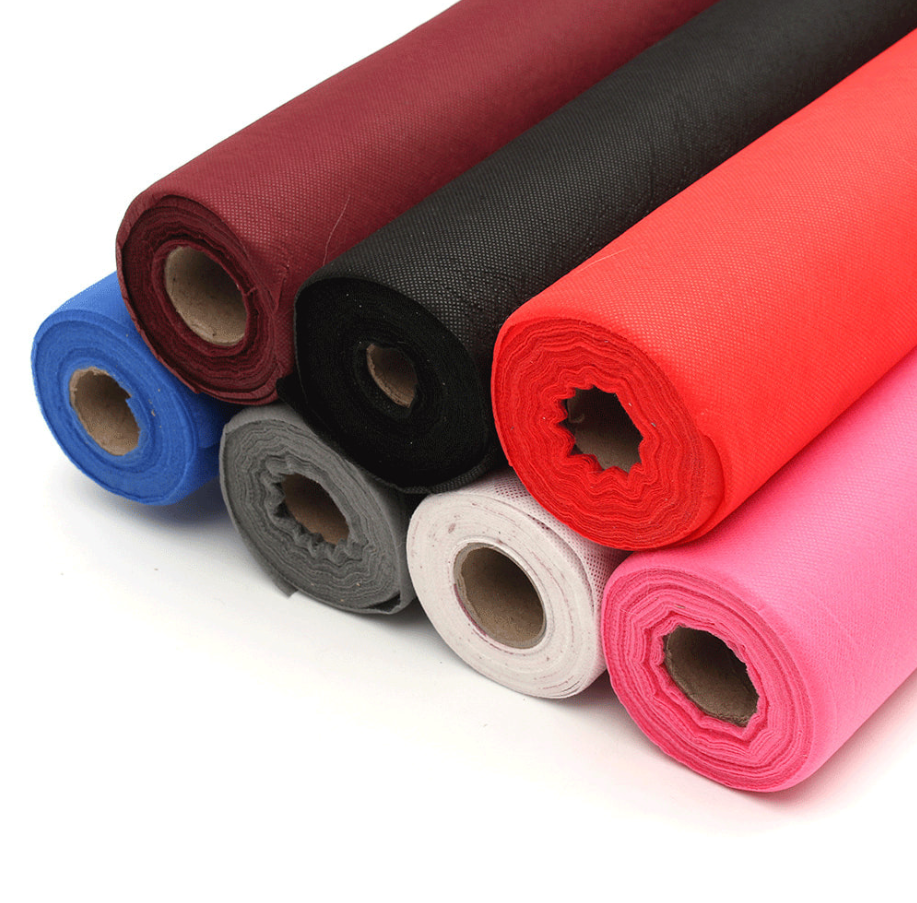
Non-woven fabric is created by bonding fibers together, resulting in a material that is lightweight and breathable but generally less strong than woven alternatives. PP fabric offers higher tensile strength and tear resistance, making it better suited for heavy loads and demanding applications. Non-woven fabric is typically more cost-effective for lightweight applications, while PP fabric provides superior durability for reusable bags.
PP Fabric vs. Cotton Fabric
Cotton fabric offers natural, premium feel but requires significant water, land, and energy resources for production. PP fabric requires fewer resources to manufacture and offers comparable durability with lower environmental footprint for many applications. Cotton may be preferred for applications where natural fiber content is important, while PP fabric offers cost efficiency and moisture resistance.
PP Fabric vs. RPET Fabric
RPET fabric is made from recycled plastic bottles, offering strong sustainability credentials. Both PP and RPET fabrics provide excellent durability and printability. The choice may depend on specific sustainability goals, with RPET offering higher recycled content and PP offering established recycling streams and cost efficiency.
Factors Affecting PP Fabric Performance
Several factors affect how PP fabric performs in custom bag applications:
Material Weight
Heavier fabrics provide greater strength and durability but increase material cost and bag weight. Lighter fabrics reduce cost and weight but may not support heavy loads. Selecting the appropriate weight for your application balances performance requirements with cost considerations.
Weave Density
Weave density affects strength, appearance, and cost. Higher density weaves provide greater strength and more uniform appearance but increase material weight and cost. Lower density weaves reduce weight and cost but may compromise strength for heavy-duty applications.
Lamination Quality
Lamination quality significantly affects bag durability and appearance. Proper lamination adhesion prevents peeling and delamination during use. Consistent lamination thickness ensures smooth surface for printing and professional appearance.
Handle Attachment
Handle attachment strength is critical for bag functionality. Reinforced attachments distribute stress across larger areas, preventing handle separation under load. Quality stitching and reinforcement materials ensure handles remain secure through repeated use.
Our Technical Expertise
With over 18 years of experience in the bag industry, we have developed comprehensive technical expertise in processing PP fabric for custom applications. Our understanding of material properties, processing parameters, and quality requirements ensures consistent results across all orders.
Our facility is equipped with six gravure printing machines, three laminators, five cutting machines, and over eighty sewing machines, allowing us to handle projects of any scale. For small quantities, our digital printing lines provide flexibility without plate costs. For large orders, our gravure printing lines deliver efficiency and consistency.
We maintain strict quality standards throughout processing, from raw material inspection to final packaging. Our quality control systems ensure that every bag leaving our facility meets your specifications for strength, appearance, and durability.
 EN
EN
 ONLINE