Polypropylene Woven Material: A Sustainable Choice for Custom Packaging
As businesses and consumers increasingly prioritize environmental responsibility, the choice of packaging materials has become more important than ever. Polypropylene woven material offers a compelling solution that balances durability, functionality, and sustainability, making it an ideal choice for custom bags designed for repeated use.
Understanding Polypropylene as a Material
Polypropylene is a thermoplastic polymer that has become one of the most widely used plastics globally due to its versatility, durability, and recyclability. When processed into woven fabric, polypropylene takes on new properties that make it particularly suitable for bag applications.
The chemical structure of polypropylene gives it excellent resistance to moisture, chemicals, and fatigue. Unlike some materials that degrade with repeated flexing, polypropylene maintains its strength through thousands of use cycles. This durability is the foundation of its sustainability value—bags made from this material are designed to last, replacing dozens or hundreds of single-use alternatives.
Polypropylene is also one of the more environmentally responsible plastic materials available. It requires less energy to produce than many alternatives, contains no harmful additives like plasticizers, and can be recycled efficiently through established systems. When properly managed, polypropylene products can circulate in the economy for multiple lifecycles, reducing the need for virgin material extraction.
How Woven Construction Enhances Sustainability
The woven construction of polypropylene fabric contributes to sustainability in several important ways. The interlaced structure creates a material that distributes stress evenly across its surface, preventing tear propagation and ensuring long service life. Unlike non-woven materials that may fray or degrade with use, woven polypropylene maintains its structural integrity through repeated handling, washing, and loading.
The woven structure also allows for precise engineering of material properties. Manufacturers can adjust tape width, weaving density, and material weight to achieve the exact strength characteristics required for specific applications. This precision means that material is not wasted on unnecessary thickness or weight—bags are engineered to provide exactly the durability needed for their intended use.
The Reusability Advantage
The most significant environmental benefit of polypropylene woven bags is their reusability. A single well-made bag can replace hundreds of single-use plastic bags over its lifetime. This substitution effect dramatically reduces the total environmental impact of packaging.
Consider the lifecycle comparison: a single-use plastic bag is used once, often for less than 30 minutes, before being discarded. A polypropylene woven bag, by contrast, is designed for hundreds of uses. The environmental footprint of manufacturing the reusable bag is offset after a relatively small number of uses, after which each additional use represents net environmental benefit.
Our bags are constructed with reinforced stress points, quality stitching, and durable handles to ensure they withstand repeated use. The lamination protects printed graphics from wear, maintaining brand appearance throughout the bag’s life. These quality features ensure that the reusability potential is fully realized.
Recyclability and Circular Economy
At the end of its useful life, polypropylene woven material can be recycled into new products. Unlike some composite materials that combine different polymers in ways that make separation difficult, polypropylene woven bags are typically made from a single material type, simplifying the recycling process.
Recycled polypropylene can be processed into a variety of new products, including new bags, automotive components, industrial containers, and building materials. The recycling process conserves resources and reduces the environmental impact compared to virgin material production.
We support circular economy principles by offering polypropylene woven material options that incorporate recycled content. These materials maintain the strength, printability, and durability characteristics required for professional applications while reducing demand for virgin resources. Our recycled content options allow clients to further reduce the environmental footprint of their packaging.
Comparing Environmental Impact
When evaluating packaging materials, it is important to consider the full lifecycle environmental impact rather than focusing on a single attribute. Polypropylene woven material compares favorably to alternatives across several dimensions:
Compared to Single-Use Plastic Bags
Single-use plastic bags are typically used once before disposal, contributing to waste streams and requiring continuous production of new material. Polypropylene woven bags replace hundreds of single-use bags, dramatically reducing total material consumption and waste generation. The durability of woven material means fewer bags are needed overall.
Compared to Paper Bags
While paper bags are biodegradable, their production requires significant water and energy resources, and they have limited reusability. Paper bags often tear when wet or when carrying heavy loads, leading to premature disposal. Polypropylene woven bags offer superior durability and reusability, providing better environmental performance over their lifecycle.
Compared to Cotton Tote Bags
Cotton bags require substantial water, land, and energy resources for cultivation and processing. While cotton bags can be reused many times, the high production footprint means they require hundreds of uses to achieve environmental payback. Polypropylene woven bags offer comparable durability with a lower production footprint, making them a more efficient choice for many applications.
Our Commitment to Sustainable Manufacturing
Our approach to sustainability extends beyond material selection to encompass our manufacturing processes and business practices. We have implemented several initiatives to reduce environmental impact:
Waste Reduction
Our production processes are designed to minimize waste. Digital printing eliminates plate materials, and precise order quantities reduce excess inventory that might otherwise become waste. Production scrap is collected and recycled whenever possible.
Energy Efficiency
We continuously evaluate opportunities to improve energy efficiency across our facility. Modern equipment, efficient workflow design, and responsible operating practices help minimize energy consumption.
Sustainable Material Options
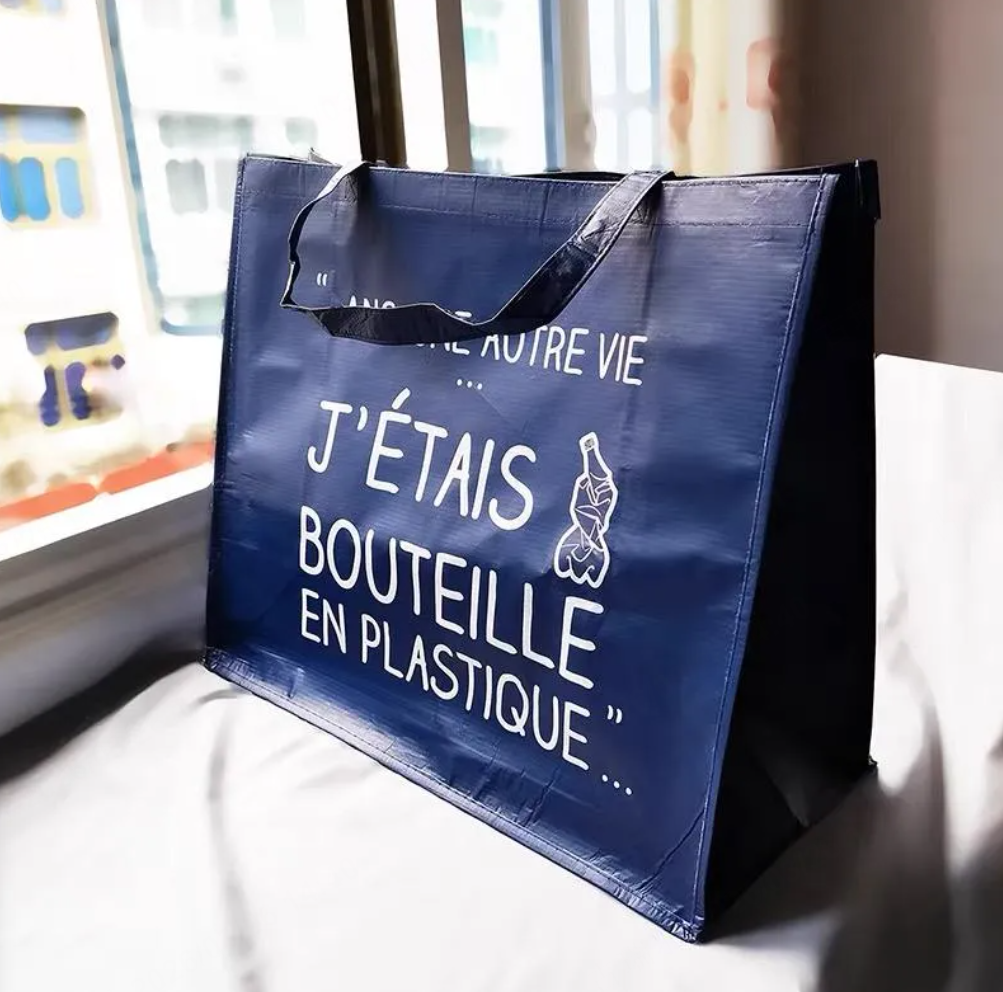
We offer polypropylene woven material options that incorporate recycled content, allowing clients to further reduce the environmental footprint of their packaging. Our RPET options transform recycled plastic bottles into high-quality fabric for custom bags.
Durable Construction
Quality construction ensures that bags achieve their full reusability potential. Reinforced stress points, quality stitching, and durable handles mean bags remain functional through hundreds of uses, maximizing the environmental benefit of each bag.
Applications Supporting Sustainability Goals
Polypropylene woven bags are well-suited to applications where sustainability is a priority:
Supermarket and Grocery
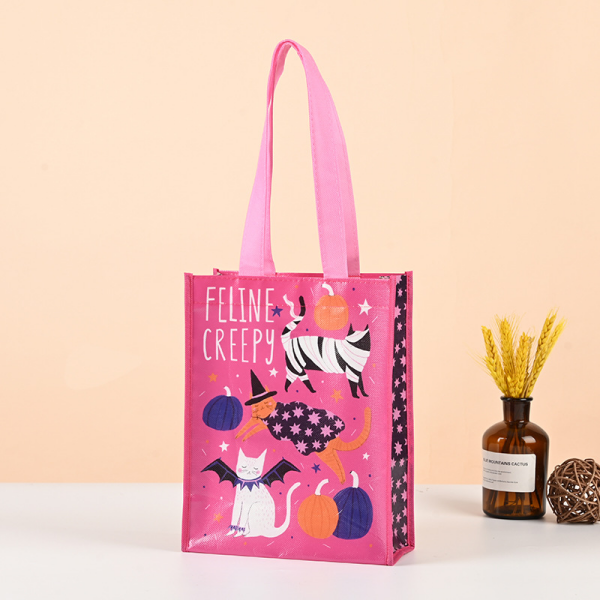
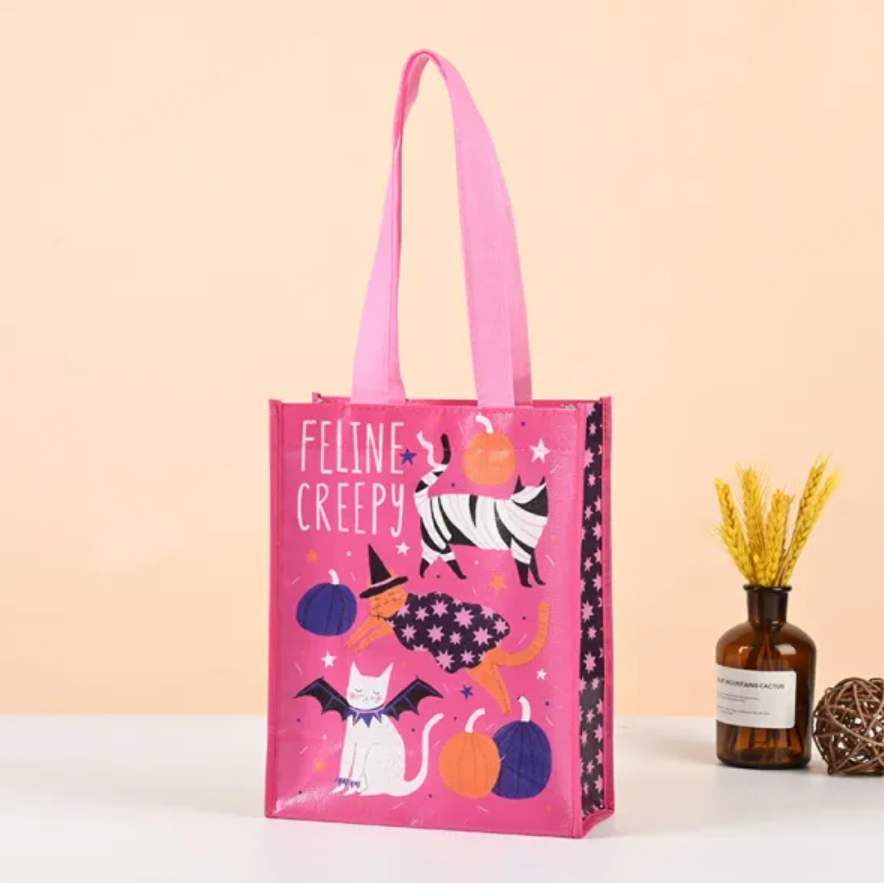
Reusable shopping bags replace single-use plastic bags at checkout, supporting store sustainability initiatives while providing practical value for customers. Custom printing reinforces brand commitment to environmental responsibility.
Retail and Fashion
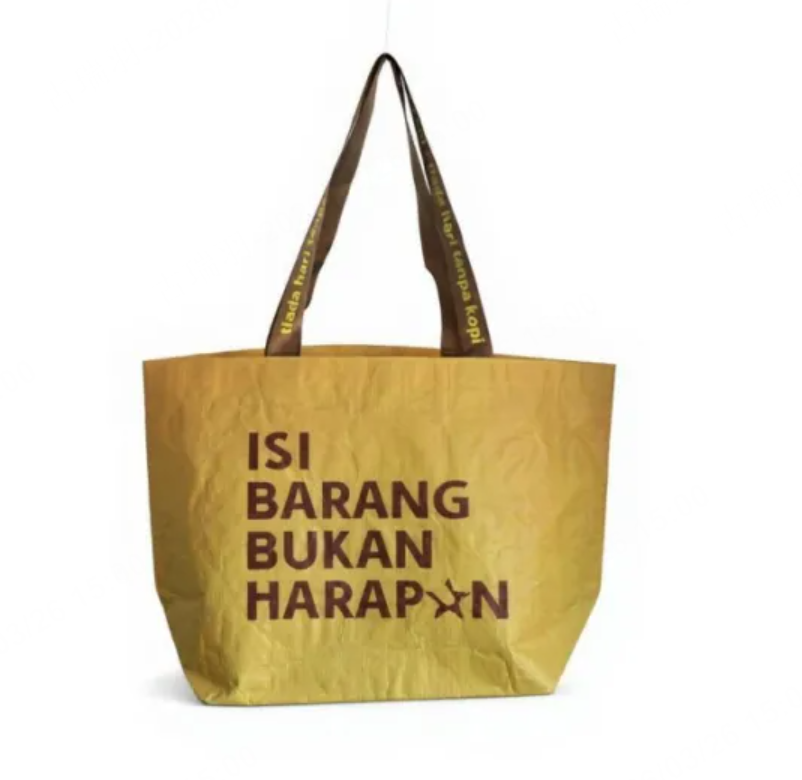
Premium reusable shopping bags extend brand exposure beyond the store while demonstrating environmental commitment. Customers appreciate quality reusable bags that they can use repeatedly.
Promotional and Corporate
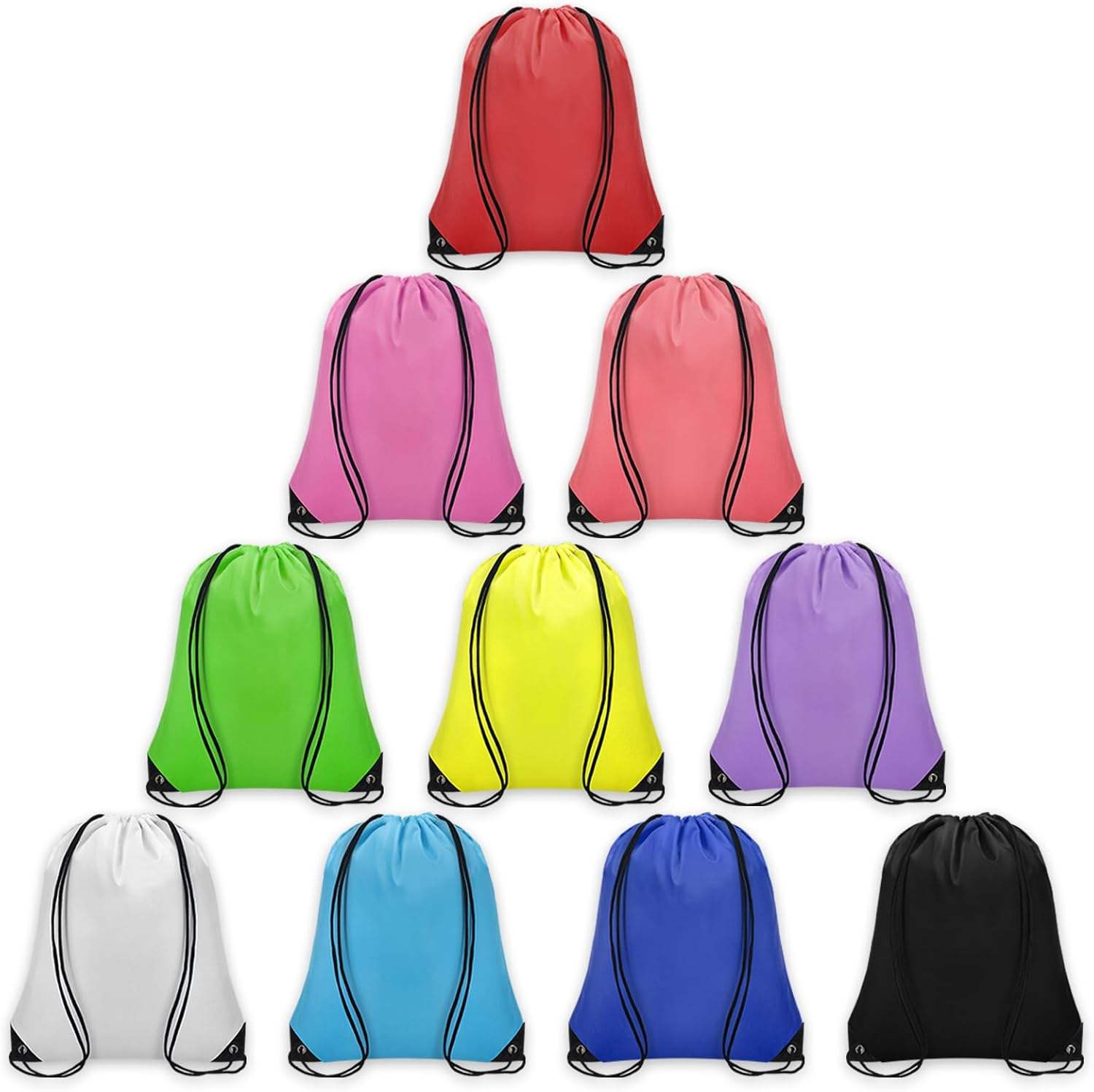
Promotional bags made from sustainable materials communicate brand values to recipients. Quality reusable bags provide ongoing marketing exposure while supporting environmental goals.
Food Delivery and Takeout
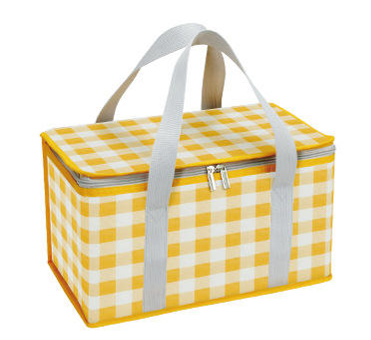
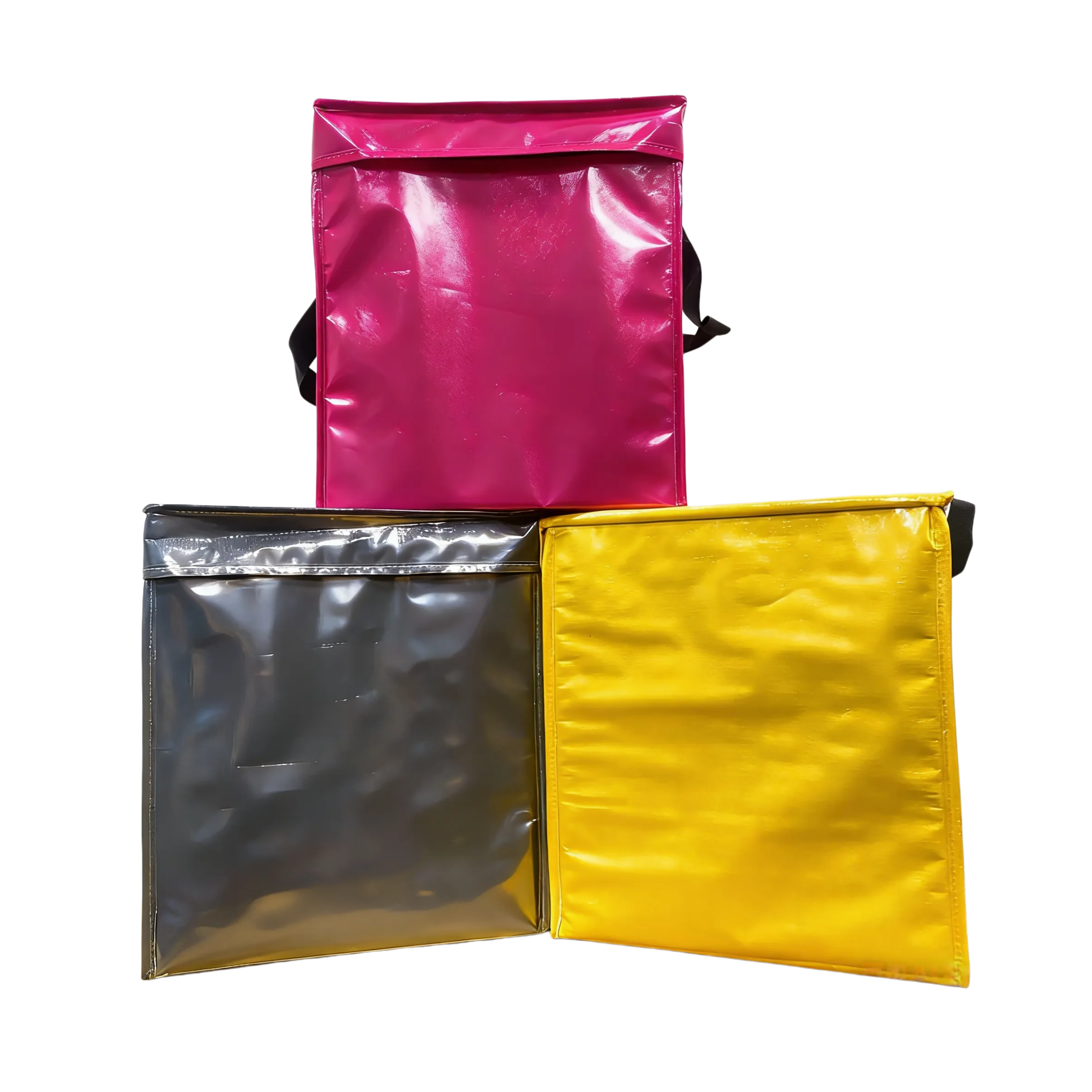
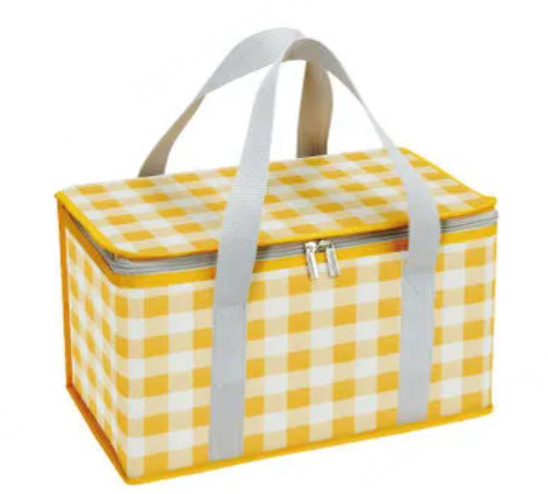
Reusable delivery bags reduce packaging waste while maintaining food quality. Durable construction withstands repeated use in food service environments.
 EN
EN

 ONLINE