The Spunbond Revolution: How Non Woven Fabric Became the World’s Favorite Bag Material
Walk through any grocery store, retail mall, or conference center, and you will see them: non woven fabric bags in every color, carrying every brand, serving every purpose. In less than two decades, non woven fabric has gone from a niche industrial material to the dominant choice for reusable shopping bags worldwide. This transformation reflects the material’s unique combination of properties that no other fabric can match. Non woven is lightweight yet strong, soft yet durable, breathable yet protective, and cost-effective yet high-quality. At Wenzhou Shuyou Packaging, we have manufactured non woven fabric bags for over 18 years, producing millions of bags for clients across retail, promotional, and corporate sectors. This guide explains what non woven fabric is, how it is made, why it performs so well, and how to select the right non woven bag for your needs.
What Exactly Is Non Woven Fabric?
The term “non woven” describes a class of fabrics that are neither woven nor knitted. In traditional textiles, yarns are prepared, then woven or knitted together to create fabric. Non woven fabric bypasses these steps entirely. Instead, fibers are laid into a web and then bonded together through mechanical, thermal, or chemical processes. The result is a fabric that has no grain direction, does not fray, and can be engineered for specific properties.
For bag manufacturing, the most common non woven fabric is spunbond polypropylene. In the spunbond process, polypropylene resin is melted and extruded through spinnerets to create continuous filaments. These filaments are laid randomly onto a moving belt to form a web. The web then passes through heated rollers that bond the fibers together at their intersections. The fabric is then wound into rolls and later converted into bags.
This continuous process is fast and efficient, which keeps costs low. The random orientation of the fibers gives the fabric uniform properties in all directions, unlike woven fabric which has different strength along the warp and weft. The thermal bonding creates a material that is stable and resists unraveling.
Key Properties of Non Woven Fabric for Bags
Several properties make non woven fabric ideal for bag applications. The first is its strength-to-weight ratio. Despite being much lighter than cotton canvas, non woven fabric offers excellent tear resistance. The randomly oriented fibers distribute stress across a wide area, preventing localized failure. A standard 80 gsm non woven bag can safely hold 10-15 kilograms of groceries or merchandise, which is sufficient for most retail and promotional applications.
The second key property is softness and flexibility. Non woven fabric drapes beautifully, conforming to the shape of its contents. It folds flat for easy storage in a purse or car glove compartment. It feels pleasant in the hand, unlike stiff plastic films that can feel cheap and uncomfortable.
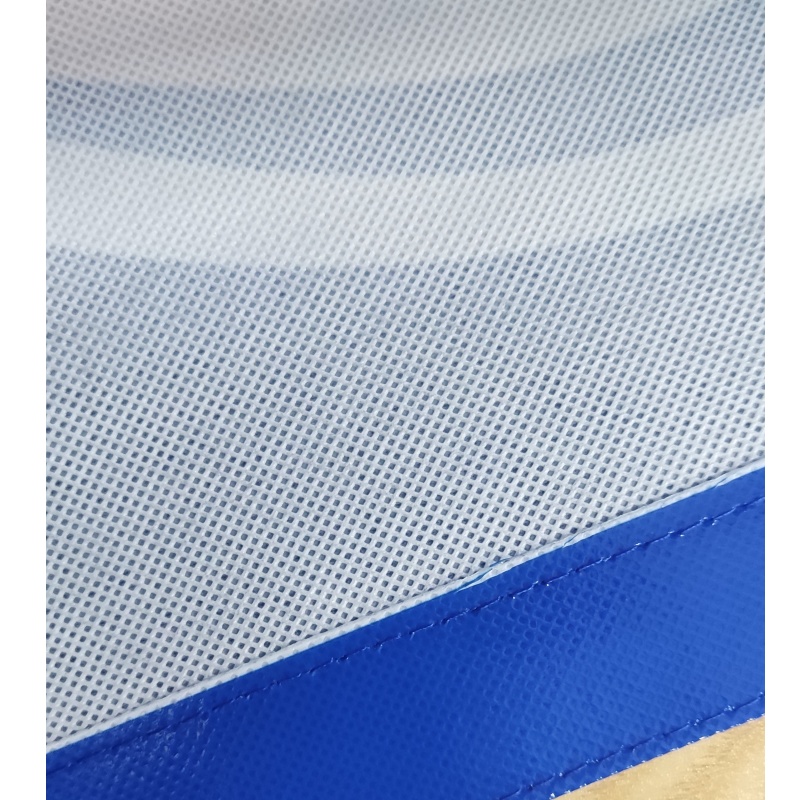
The third key property is breathability. Non woven fabric has an open pore structure that allows air to circulate. This is a significant advantage for grocery bags because it keeps produce fresh, prevents condensation from refrigerated items, and stops musty odors from developing. For applications involving food, breathability is often essential.
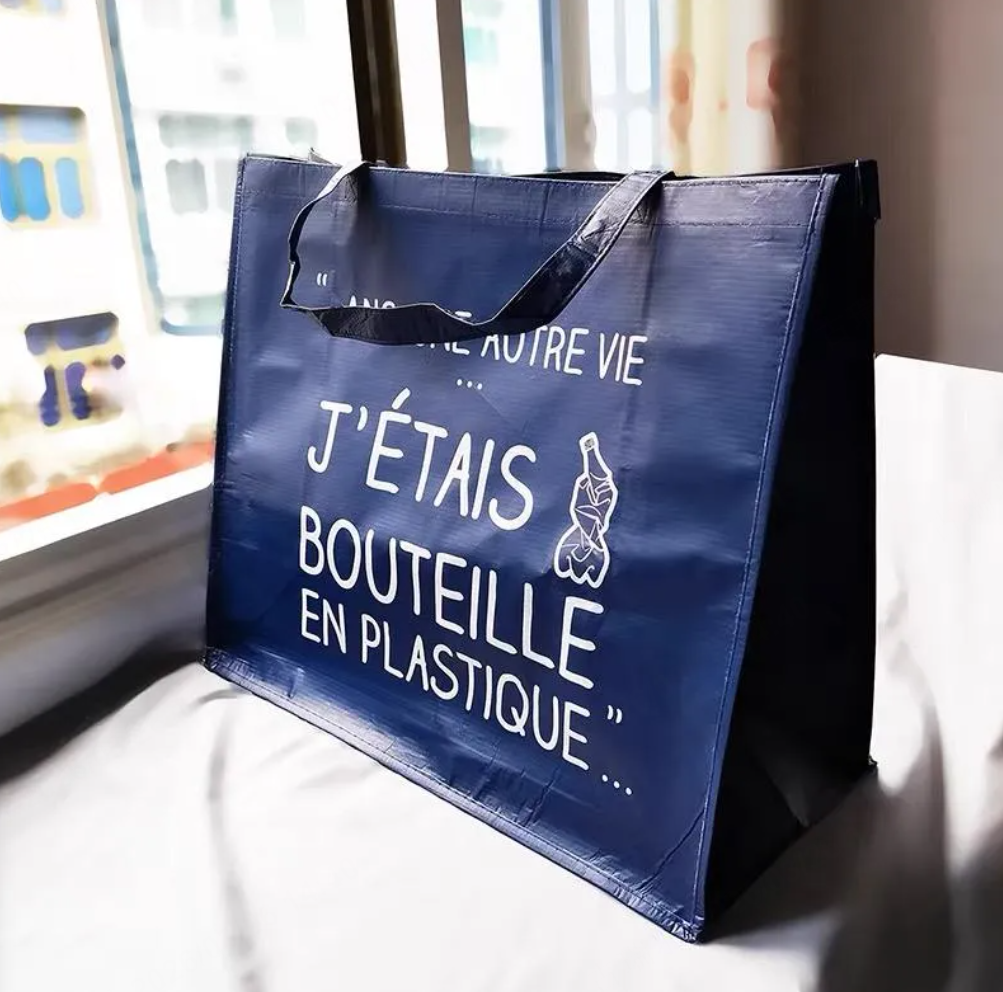
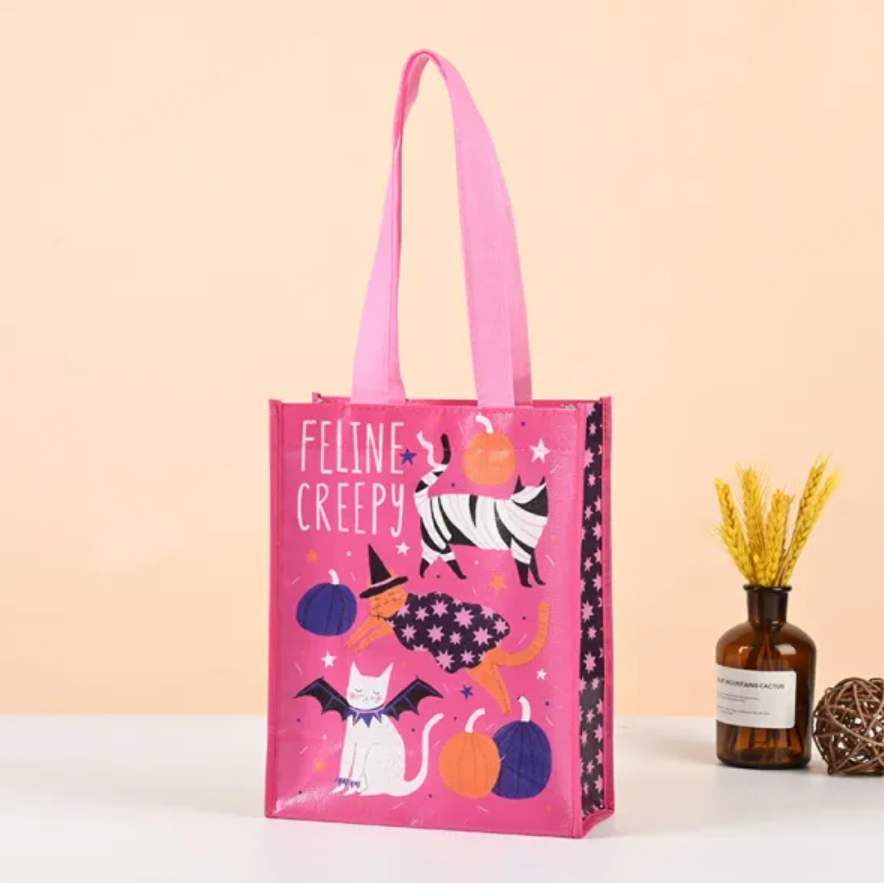
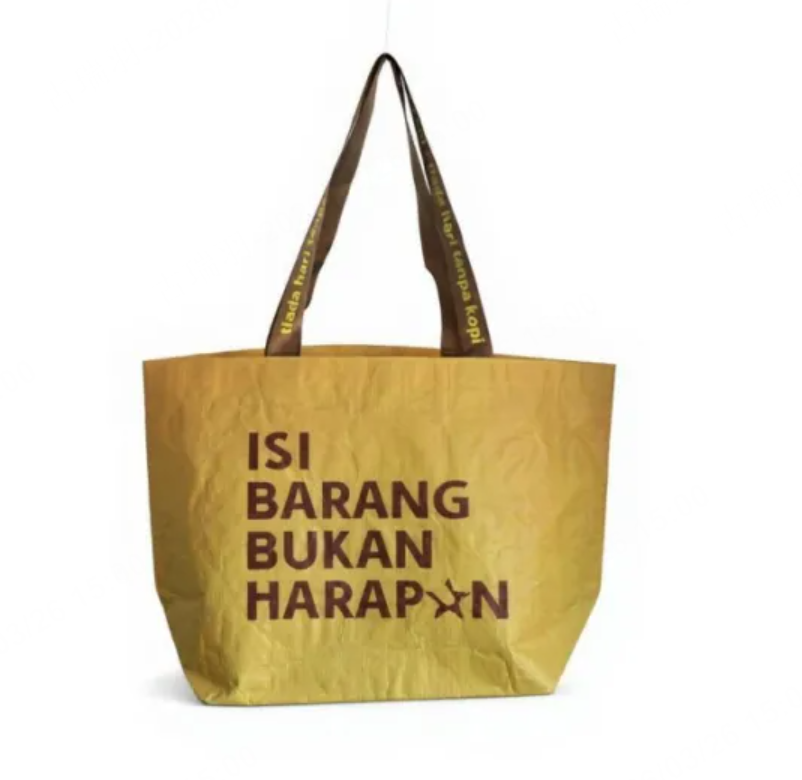
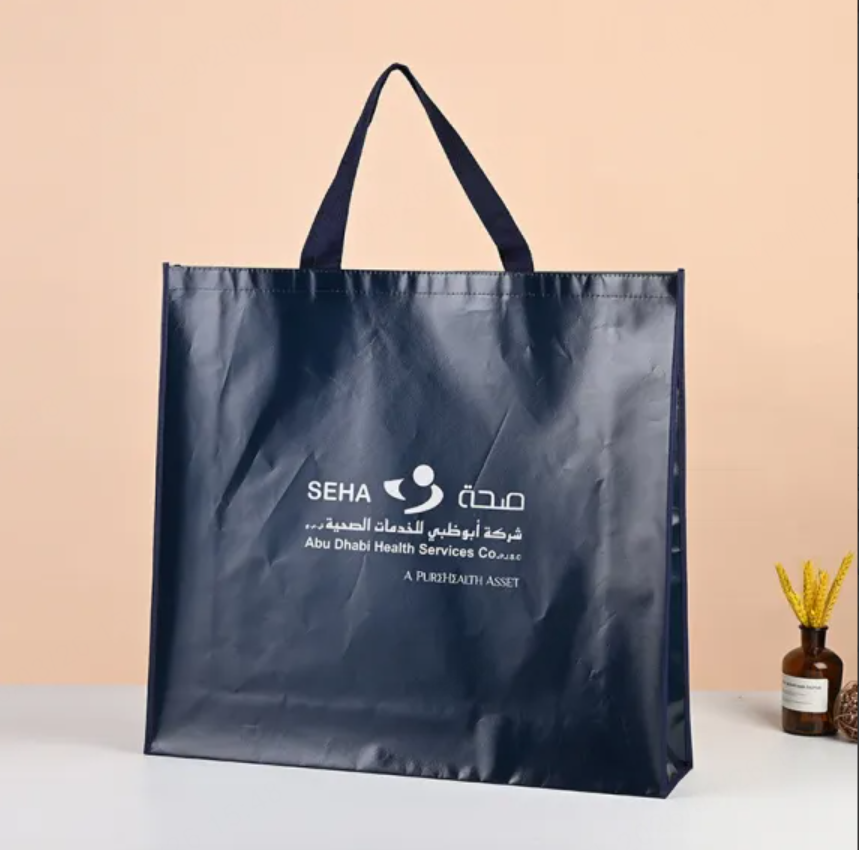
The fourth key property is printability. The uniform, slightly textured surface of non woven fabric provides an excellent substrate for printing. Ink adheres well, colors appear vibrant, and fine details reproduce clearly. Digital printing on non woven can achieve photographic quality, making it possible to print complex logos, product images, and artistic designs directly on the bag.
How Non Woven Fabric Compares to Other Bag Materials
Compared to plastic film bags (the traditional single-use checkout bag), non woven fabric is dramatically stronger and more durable. A plastic film bag may tear if overloaded or snagged. A non woven bag resists tearing and can be used hundreds of times. Non woven is also more pleasant to carry, with a soft, fabric-like feel rather than the crinkly, stiff feel of plastic film.
Compared to paper bags, non woven fabric is far more durable and water-resistant. Paper bags tear easily when wet, cannot be reused many times, and have higher production energy requirements. Non woven bags handle moisture without failing and remain in service for years.
Compared to cotton canvas bags, non woven fabric is significantly lighter and less expensive. A cotton canvas tote of similar size may weigh three to four times as much as a non woven bag, increasing shipping costs and customer fatigue. Cotton also absorbs moisture and can develop mildew. However, cotton canvas has a premium feel and is biodegradable, making it preferred for some high-end applications. Non woven offers a more cost-effective solution for most everyday uses.
Compared to woven PP bags, non woven fabric is softer, more flexible, and less expensive. Woven PP is much stronger but also stiffer and rougher to the touch. For heavy-duty industrial applications, woven PP is necessary. For retail, promotional, and consumer applications, non woven is usually the better choice.
The Manufacturing Process Behind Our Non Woven Bags
At Wenzhou Shuyou Packaging, our non woven fabric bags go through a carefully controlled production process. We source polypropylene resin from certified suppliers, ensuring material consistency and compliance with REACH safety standards. The spunbond fabric is produced on modern lines that control filament diameter, web uniformity, and bonding temperature. Fabric weight (gsm) is monitored continuously to ensure consistency.
Once the fabric is produced, it moves to bag conversion. First, the fabric is printed using either digital or gravure technology. Digital printing is ideal for small quantities (100 to 2,000 pieces) and for designs with many colors or photographic elements. Gravure printing is more economical for larger quantities (2,000 pieces and above) and delivers consistent color across huge volumes.
After printing, the fabric is cut to the specified dimensions. Handles are attached using heat-sealing or sewing. Heat-sealed handles are created by folding the fabric over and bonding it with heat and pressure. Sewn handles use reinforced stitching for extra strength. The seams are then formed, either by heat-sealing or sewing, depending on the bag construction.
Finally, every bag undergoes 100% inspection. Inspectors check print alignment and color accuracy, handle attachment strength, seam integrity, and overall finish. Bags that do not meet our standards are rejected. This rigorous quality control ensures that every bag you receive performs as expected.
Fabric Weight (GSM) and What It Means for Your Bags
Non woven fabric is specified by its weight in grams per square meter (gsm). Higher gsm means thicker, stiffer, and stronger fabric. Lower gsm means thinner, softer, and lighter fabric. Choosing the right gsm depends on your application.
For lightweight applications such as conference giveaways, promotional events where the bag may be used only a few times, or packaging for very light products (t-shirts, small gifts), 60 to 70 gsm is usually sufficient. These bags are very light and cost-effective but have lower tear resistance.
For standard applications such as retail checkout bags, grocery shopping totes, and general promotional use, 80 to 90 gsm is the most common choice. This weight provides good strength and durability while remaining lightweight and affordable. Most of our retail clients choose 80 gsm.
For heavy-duty applications such as carrying books, laptops, heavy groceries, or daily use over many years, 100 to 120 gsm is recommended. These bags are stiffer, more substantial, and more tear-resistant. They feel more premium and last longer, though they cost more and weigh more.
For specialized applications requiring extra rigidity or structure, we offer laminated non woven fabric, which adds a thin polypropylene film layer. Lamination increases stiffness and adds complete waterproofing, making the bag suitable for wet conditions or products that must stay completely dry.
Customization Options for Non Woven Fabric Bags
We offer extensive customization to ensure your non woven fabric bags perfectly represent your brand. Size options range from compact bags for small purchases to extra-large totes for grocery hauls, with custom dimensions available. Color options include natural white, standard colors from our catalog, or custom-matched Pantone colors to match your brand palette exactly. Printing options include digital printing for small quantities with photographic quality and no plate costs, or gravure printing for high-volume production with the lowest per-unit cost. Handle styles include self-fabric handles made from the same non woven material, PP webbing handles for extra durability and a more finished look, cotton webbing handles for a natural feel, or rope handles for a casual, beachy aesthetic. Additional features include zipper closures for security, interior or exterior pockets for organization, bottom inserts for structure, piping for visual definition, and custom labels or hang tags.
Sustainability of Non Woven Fabric Bags
Non woven fabric bags are often marketed as “eco-friendly,” but what does that really mean? The environmental impact of any bag depends on how it is used. A non woven bag that is used once and thrown away has a higher environmental footprint than a plastic bag used once. But a non woven bag that is used 100 times replaces 100 plastic bags, and at that point, its per-use environmental impact is far lower.
Our non woven fabric bags are designed for hundreds of uses. The durable construction and tear-resistant material ensure they remain in service for years. When they finally reach the end of their useful life, the polypropylene material is recyclable. Many recycling programs accept non woven PP bags, though availability varies. We recommend checking with local facilities.
For businesses with aggressive sustainability goals, we offer non woven fabric bags made from recycled polypropylene. These bags give new life to post-industrial or post-consumer plastic waste, reducing demand for virgin resin. We also offer bags that are fully recyclable through our take-back program.
Our manufacturing processes are certified under BSCI for ethical labor, ISO 9001 for quality management, and REACH for chemical safety. The polypropylene we use is non-toxic and safe for food contact, certified under OKET standards.
Global Service for Businesses Worldwide
Our foreign trade team operates in rotating shifts, providing 7×24 coverage across all time zones. Whether you are in North America, Europe, Asia, or South America, you will receive prompt responses to your inquiries. Delivery times are fast: orders under 10,000 pieces ship within 5 working days, and orders up to 20,000 pieces ship within 8 working days. For larger volumes, we can provide production schedules to match your inventory needs.
 EN
EN

 ONLINE